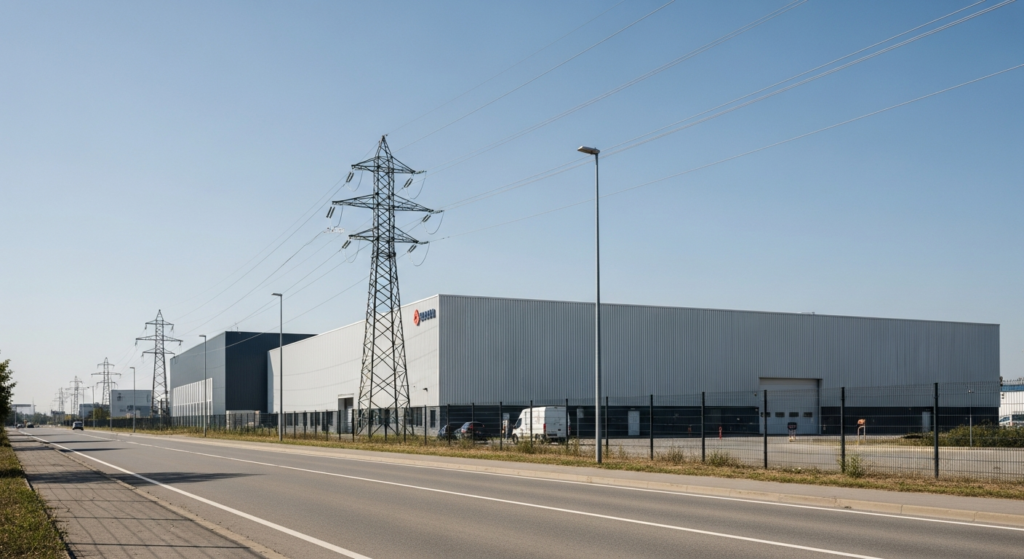
Opponents of the rapid expansion of data centers across the United States organized or participated in coordinated protests in at least 125 locations nationwide over the weekend of July 18. The actions represent the first significant national effort specifically targeting the infrastructure demands of artificial intelligence, bringing to the forefront a range of concerns that resonate in communities considering future technological development, including Florence.
The protests, which spanned states from Texas to California, highlighted community anxieties over the environmental and economic impacts of large-scale data facilities. Texas saw the highest concentration of these demonstrations, with 16 planned events, followed by Georgia with 11. California, Florida, and Pennsylvania each reported seven protest locations, indicating a broad geographic reach for the movement.
The core issues driving the opposition are multifaceted. Transparency in the planning and approval processes for data centers was a primary concern, with many residents seeking greater insight into how these facilities are sited and regulated. Electricity costs emerged as another significant point of contention, as data centers are notoriously energy-intensive, raising fears of increased utility burdens for local populations and strain on existing power grids.
Water usage also featured prominently in the protests. Data centers require substantial amounts of water for cooling, a demand that can place stress on local water supplies, particularly in regions already facing resource management challenges. Environmental pollution, including potential heat discharge and other operational byproducts, was cited as an additional concern by activists.
Finally, the local approval processes themselves were a focus of criticism. Many communities expressed frustration over what they perceived as insufficient public input or expedited approvals for projects that have long-term implications for their areas. A recent public opinion poll underscored the public’s reservations, finding that only 14 percent of respondents supported the construction of an AI data center in their own community.
While no specific protests were reported in Florence or the broader Pee Dee region as part of this national coordinated effort, the issues raised are directly relevant to the ongoing discussions about growth, infrastructure, and resource management in Florence County. As Florence continues to attract new businesses and consider future economic development, the potential for technology infrastructure projects, including data centers, remains a topic of local interest.
The demands of modern technology, particularly the burgeoning field of artificial intelligence, necessitate robust digital infrastructure. However, the national conversation highlights the importance of balancing technological advancement with community well-being and environmental stewardship. Discussions around energy consumption, water availability, and land use planning are already central to the strategic development of Florence and its surrounding areas.
Local officials and planning bodies in Florence often weigh the economic benefits of new industries against their resource demands. The concerns articulated by protestors nationally — such as the need for clear environmental impact assessments and transparent public hearings — offer a framework for evaluating any future large-scale developments in the region. The Great Pee Dee River and Lynches River, vital water sources for the area, underscore the importance of careful water management in any industrial expansion.
Francis Marion University and Florence-Darlington Technical College, key educational institutions in Florence, contribute to a skilled workforce that could support technological growth. However, the broader community dialogue around data centers suggests that simply attracting new facilities may not be enough; the terms of their integration into the local fabric are equally critical.
Why it matters in Florence
The national dialogue surrounding data center expansion directly impacts how Florence approaches its own future economic and infrastructural development. As a growing city in the Pee Dee region, Florence must consider the implications of energy-intensive industries on its power grid and natural resources. For entities like McLeod Health and MUSC Health Florence Medical Center, reliable and affordable electricity is paramount. The potential for increased demand from data centers could affect utility costs for major employers and residents alike. Furthermore, the city’s commitment to sustainable growth, particularly concerning water resources from the Great Pee Dee River, means that any large-scale industrial proposals, including data centers, would necessitate thorough review of their environmental footprint and community benefits. The national protests serve as a reminder for Florence to prioritize transparency and robust public engagement in all future development decisions, ensuring that growth aligns with the long-term interests of Florence County residents.
Section: More Florence SC business news
Florence business profiles
Filed under: Florence SC Business News