As summer temperatures continue across the Pee Dee region, public health officials and safety advocates have issued a comprehensive Summer Fishing Safety Guide, emphasizing critical precautions for anglers in Florence and surrounding areas. The guide provides detailed recommendations to mitigate risks associated with sun exposure, dehydration, heat-related illnesses, and boating incidents.
One of the primary concerns addressed is sun protection. The guide highlights that the sun’s ultraviolet (UV) rays are strongest between 10 AM and 4 PM, and water surfaces can reflect up to 15% of this radiation, intensifying exposure. To combat this, anglers are advised to use broad-spectrum sunscreen with an SPF of at least 30, with SPF 50+ recommended for extended periods on the water. Sunscreen should be applied 30 minutes before heading out and reapplied every two hours, or more frequently if sweating heavily or after splashing.
Beyond sunscreen, protective clothing is strongly recommended. This includes lightweight, long-sleeved UPF-rated clothing, preferably in light colors, which can block a significant amount of UV radiation. A wide-brimmed hat providing at least four inches of coverage is essential for protecting the face, ears, and neck. Polarized sunglasses offering 100% UV protection are also crucial to safeguard eyes from both direct and reflected sunlight.
Hydration is another cornerstone of the safety recommendations. The guide suggests drinking at least eight ounces of water every 15 to 20 minutes during active fishing trips. Starting hydration the night before an outing can also help prepare the body. Anglers are cautioned to avoid drinks high in caffeine or alcohol, as these can contribute to dehydration. Sports drinks, however, may be beneficial for replacing electrolytes lost through sweating, particularly during prolonged activity.
Recognizing the signs of dehydration early is vital. Initial symptoms include thirst, dry mouth, decreased urination, and fatigue. If these signs are ignored, more severe symptoms can develop, such as dizziness, a rapid heartbeat, and confusion, indicating a more serious condition.
The guide provides clear protocols for responding to heat-related emergencies. For heat exhaustion, the affected individual should be moved immediately to a shaded or cooler area, and any excess clothing should be removed. Applying cool water to the skin and providing cool fluids, if the person is conscious and able to swallow, can help stabilize their condition. Heat stroke is a medical emergency requiring immediate attention. Symptoms include a body temperature above 103°F, an altered mental state, hot and dry skin (or sometimes profuse sweating), and a rapid pulse, potentially leading to unconsciousness. In such cases, an immediate call to 911 is necessary, followed by aggressive cooling measures while awaiting emergency services.
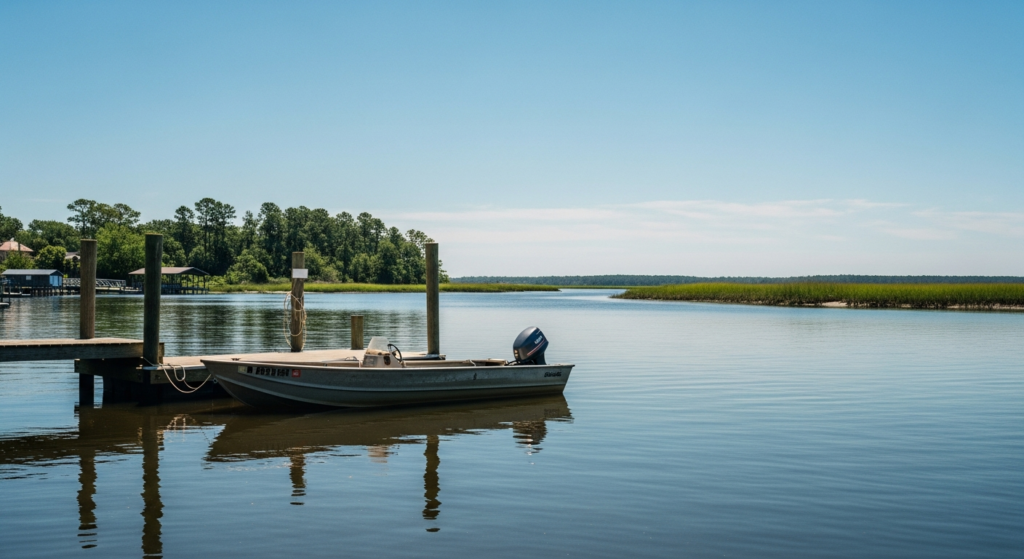
For those venturing onto the Great Pee Dee River, Lynches River, or Jefferies Creek in boats, specific safety measures are outlined. Maintaining adequate shade on the vessel and ensuring all safety equipment is functioning correctly are paramount. Checking the engine cooling system before departure can prevent breakdowns that could leave anglers stranded in the heat. Filing a float plan with someone on shore, detailing the planned route and expected return time, is also a critical safety step. Additionally, boats should be stocked with extra water and emergency supplies, including a VHF radio for communication, and at least one gallon of water per person per day for emergencies.
Why it matters in Florence
The issuance of this Summer Fishing Safety Guide holds particular relevance for Florence and its surrounding communities. With numerous waterways like the Great Pee Dee River and Lynches River attracting anglers throughout the warm months, local healthcare providers such as McLeod Health and MUSC Health Florence Medical Center frequently treat heat-related illnesses and injuries. Adhering to these safety guidelines can significantly reduce the burden on emergency services and hospitals, ensuring that residents and visitors can enjoy the natural beauty of Florence County’s rivers and parks safely. The proactive advice aims to prevent serious health incidents, fostering a safer environment for outdoor recreation in the region.