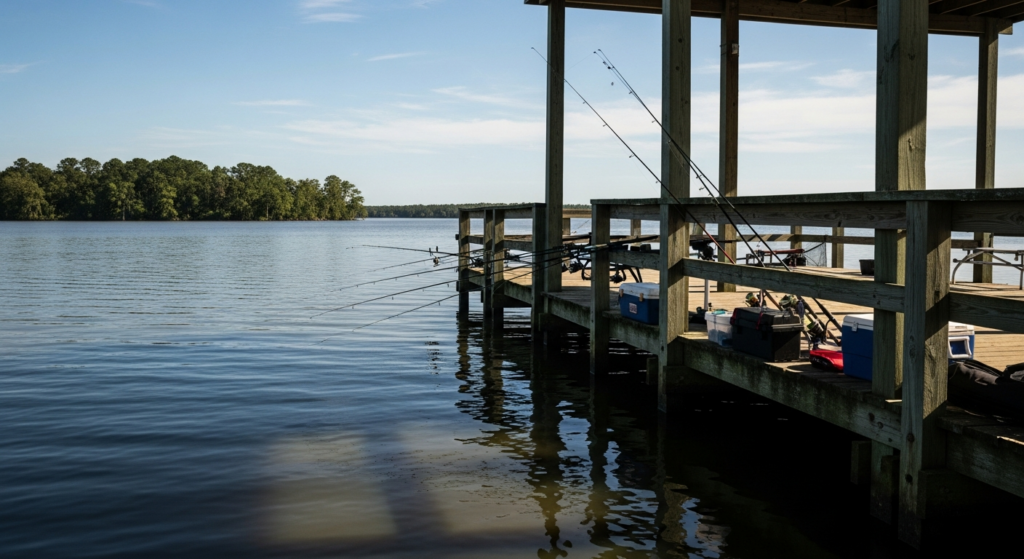
Anglers in Florence and across the Pee Dee region are encouraged to review a comprehensive safety guide outlining essential precautions for fishing during the summer. The guidance emphasizes strategies for mitigating risks associated with sun exposure, dehydration, and potential emergencies, particularly relevant for those spending extended periods on local waterways like the Great Pee Dee River or Lynches River.
One primary focus of the guide is robust sun protection. Direct exposure to the sun’s ultraviolet (UV) radiation poses significant risks, with rays being strongest between 10 AM and 4 PM. Water surfaces can intensify this exposure by reflecting up to 15% of UV radiation, increasing the potential for sunburn and long-term skin damage. To counter this, the guide recommends using broad-spectrum sunscreen with a Sun Protection Factor (SPF) of at least 30, and preferably SPF 50 or higher for individuals anticipating prolonged water exposure. Effective application involves applying sunscreen 30 minutes before going outdoors and reapplying it every two hours. This frequency should be increased if an individual is sweating heavily or frequently splashed by water.
Beyond topical protection, the guide also suggests specific protective equipment. Lightweight, long-sleeved clothing with an Ultraviolet Protection Factor (UPF) rating can offer a physical barrier against harmful rays. Light-colored garments are also recommended, as they reflect sunlight rather than absorbing it, helping to keep the body cooler. A wide-brimmed hat, providing at least four inches of coverage around the head and neck, is crucial for protecting the face, ears, and neck. Polarized sunglasses offering 100% UV protection are also advised to shield eyes from both direct and reflected sunlight, which can cause eye strain and damage.
Maintaining adequate hydration is another critical component of summer fishing safety. The guide recommends a proactive approach, starting hydration the night before planned activities. During active fishing, individuals should aim to drink at least eight ounces of water every 15 to 20 minutes. It explicitly advises against consuming beverages high in caffeine or alcohol, as these can contribute to dehydration rather than alleviate it. Proper hydration is vital for regulating body temperature and maintaining physical and cognitive function in hot conditions.
Recognizing the signs of dehydration is essential for early intervention. Initial symptoms include increased thirst, a dry mouth, decreased urination, and general fatigue. If left unaddressed, dehydration can progress to more severe symptoms such as dizziness, a rapid heartbeat, and confusion. Anglers are advised to monitor themselves and their companions for these indicators and to seek shade and rehydrate immediately if symptoms appear.
Heat stroke represents a life-threatening medical emergency. The guide details potential symptoms, which include a body temperature exceeding 103°F, an altered mental state (such as confusion, irritability, or disorientation), hot and dry skin (though sweating may still be present in some cases), a rapid and strong pulse, and in severe instances, unconsciousness. In the event of suspected heat stroke, the guidance is unequivocal: call 911 immediately and begin aggressive cooling measures while awaiting emergency medical services. This could involve moving the individual to a cooler environment, removing excess clothing, and applying cool, wet cloths or ice packs to the skin, particularly in areas like the armpits, groin, and neck.
For those venturing out on boats, additional safety precautions are necessary. Before departure, boaters should ensure the engine cooling system is in proper working order to prevent overheating and potential stranding. All required safety equipment, such as life jackets, fire extinguishers, and signaling devices, should be onboard and in good condition. Filing a float plan with a trusted contact, detailing the intended route, duration, and number of people onboard, can be crucial for rescue efforts if an emergency arises. Carrying extra water and emergency supplies, including a first-aid kit and non-perishable food, is also recommended. Furthermore, having a VHF radio onboard provides a reliable means of communication for distress calls, especially in areas where cell phone service may be unreliable. For extended trips, the guide suggests carrying at least one gallon of water per person per day for emergency use.
Why it matters in Florence
The comprehensive safety guidelines are particularly relevant for Florence residents and visitors who frequently utilize the region’s abundant waterways for recreational fishing. With popular spots such as Lynches River County Park and access points along the Great Pee Dee River, understanding and implementing these precautions can directly impact the well-being of individuals and reduce the strain on local emergency services, including those provided by McLeod Health. Adherence to these measures helps ensure that summer outdoor activities remain safe and enjoyable, preventing heat-related illnesses and boating incidents that could otherwise require significant medical attention or rescue operations within Florence County.