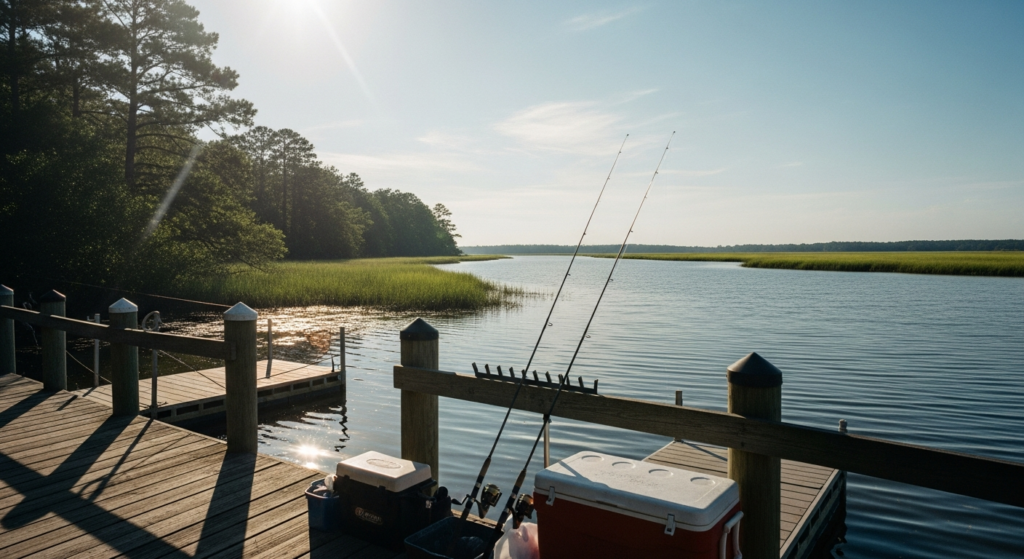
As summer continues across Florence and the Pee Dee region, local anglers and outdoor enthusiasts are reminded to prioritize safety on the water. A recently highlighted safety guide provides essential recommendations for mitigating risks associated with prolonged sun exposure, dehydration, and heat-related illnesses, particularly crucial during the warmest months in Florence County.
The guide underscores the intensity of the summer sun, noting that ultraviolet (UV) radiation is strongest between 10 AM and 4 PM. Compounding this risk, water surfaces can reflect up to 15% of UV radiation, significantly increasing exposure for those on rivers like the Great Pee Dee River or Lynches River. This reflective quality means that even under cloudy skies, anglers are susceptible to sunburn and long-term skin damage, necessitating diligent protective measures.
Sunscreen application is a primary defense. The guide recommends using a broad-spectrum sunscreen with a sun protection factor (SPF) of at least 30. For individuals anticipating extended periods on the water, such as a full day of fishing, an SPF of 50 or higher is strongly advised. Proper application is as critical as the SPF level itself; sunscreen should be applied generously at least 30 minutes before heading outdoors to allow it to bind effectively with the skin. Reapplication is necessary every two hours, or more frequently if an individual is sweating heavily, swimming, or frequently splashing water onto their skin. This consistent reapplication ensures that the protective barrier remains intact against the relentless summer sun.
Beyond sunscreen, protective clothing and accessories form another vital layer of defense. Lightweight, long-sleeved clothing with an Ultraviolet Protection Factor (UPF) rating is recommended. Unlike standard fabrics, UPF-rated clothing is specifically designed to block a significant percentage of UV rays, offering a more robust shield than typical cotton garments. A wide-brimmed hat, providing at least four inches of coverage around the entire head and neck, is also essential. This helps protect sensitive areas like the ears, neck, and face, which are often overlooked but highly vulnerable to sun damage. Finally, polarized sunglasses offering 100% UV protection are crucial for eye health. These not only reduce glare off the water, improving visibility for fishing, but also prevent UV radiation from damaging the eyes, which can lead to conditions such as cataracts and photokeratitis over time.
Hydration is another cornerstone of summer safety, particularly in the humid climate of Florence. The guide emphasizes the importance of consistent fluid intake, recommending that individuals drink at least eight ounces of water every 15 to 20 minutes during active fishing. This proactive approach helps prevent dehydration before symptoms even begin to manifest. It is equally important to avoid beverages high in caffeine or alcohol. While seemingly refreshing, these drinks act as diuretics, accelerating fluid loss from the body and contributing to dehydration, thereby counteracting efforts to stay hydrated. Opting for plain water, or electrolyte-rich sports drinks in moderation, is a far more effective strategy for maintaining fluid balance throughout the day.
Understanding and recognizing the signs of heat-related illnesses is paramount for anyone spending time outdoors. Heat exhaustion, a less severe but still serious condition, presents with several key warning signs. These include heavy sweating, a feeling of weakness, nausea, headache, and muscle cramps. If these symptoms appear, immediate action is necessary. The affected individual should be moved to a shaded or cooler area, and any excess clothing should be removed to facilitate cooling. Applying cool water to the skin, either with a wet cloth or by splashing, can help lower body temperature. If the person is conscious and able to swallow, providing cool fluids, such as water or a sports drink, can aid recovery. Monitoring the individual closely for worsening symptoms is crucial.
Heat stroke, however, is a life-threatening medical emergency requiring immediate attention. It is characterized by a core body temperature exceeding 103°F, accompanied by an altered mental state, which can manifest as confusion, disorientation, or even unconsciousness. Unlike heat exhaustion, the skin may feel hot and dry, though it can also be moist if the individual has been sweating profusely. A rapid pulse is another common symptom. The guide unequivocally states that if heat stroke is suspected, 911 must be called immediately. While waiting for emergency medical services to arrive, aggressive cooling measures should be initiated. This includes moving the person to the coolest possible environment, removing all unnecessary clothing, and applying ice packs to the armpits, groin, and neck, or immersing them in cool water if feasible. These actions are critical to rapidly lower body temperature and prevent permanent organ damage or death.
For those venturing out on boats, particularly on the expansive waters of the Great Pee Dee River or Lynches River, additional safety considerations apply. Before departure, it is essential to check the engine cooling system to prevent overheating and potential breakdowns, which can leave boaters stranded. Filing a float plan with a trusted contact is also highly recommended; this plan should detail the intended route, estimated return time, and the number of people on board, ensuring that help can be dispatched if the boat does not return as expected. Carrying extra water and emergency supplies, including a functional VHF radio for communication, is non-negotiable. The guide specifically recommends having at least one gallon of water per person per day for emergencies, accounting for potential delays or unexpected situations that could extend time on the water.
Why it matters in Florence
The adherence to these summer fishing safety guidelines holds significant importance for the well-being of residents and visitors in Florence. With the region’s warm and humid climate persisting through August, the risk of heat-related illnesses and sun exposure is a tangible concern for anyone spending time outdoors, especially on waterways like the Great Pee Dee River or Jefferies Creek. Local healthcare providers, such as McLeod Health and MUSC Health Florence Medical Center, frequently manage cases of severe sunburn, dehydration, and heat stroke during the summer months. By proactively adopting these safety measures, individuals can significantly reduce the strain on emergency services and healthcare facilities, ensuring that these vital resources remain available for other critical needs. Promoting a culture of safety on the water directly contributes to the overall health and resilience of the Florence community, allowing residents to enjoy the natural beauty of the Pee Dee region responsibly.