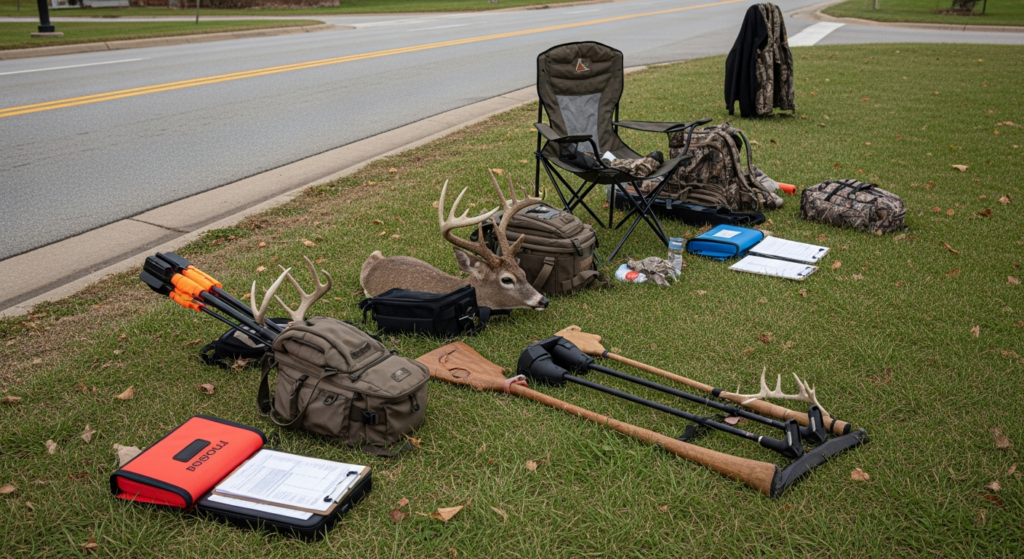
Hunters in Florence and the wider Pee Dee region are engaged in a detailed regimen of preseason preparations as the annual deer hunting season draws nearer. This period, crucial for ensuring safety and success, involves meticulous checks of equipment, strategic planning of hunting locations, and personal readiness. The comprehensive approach aims to address every aspect from weapon integrity to campsite logistics, reflecting the dedication required for the sport.
A fundamental component of preseason readiness involves a thorough inspection and maintenance of hunting weapons. For bowhunters, this means carefully examining bows for any signs of wear or separation in limbs, cams, and strings. Regular waxing of bowstrings is recommended to prolong their life and maintain performance, with any questionable components slated for immediate replacement. Consistency in shooting form is also emphasized, with hunters encouraged to practice regularly to build and maintain accuracy. Rifle hunters, similarly, are advised to clean and oil their firearms, meticulously check scope mounts for stability, and confirm rifle zero at a shooting range. This ensures that the rifle is sighted in correctly, minimizing the chance of missed shots due to equipment malfunction. For those using arrows, an arrow spinner is a critical tool to verify broadhead straightness and alignment; even slight wobbles can significantly impact arrow flight and accuracy.
Beyond weapons, personal gear requires equal attention. Hunting clothing should be washed with scent-free detergent to eliminate human odors that could alert deer. Hunters are also advised to inspect their apparel for holes, worn seams, or fading that could compromise camouflage or protection. New footwear should be broken in well before the season begins to prevent discomfort and blisters during long treks. Verifying the waterproofing of boots and other gear is also essential, particularly given the variable weather conditions that can occur throughout the hunting season in Florence County. An important health consideration for hunters in the Pee Dee region is protection against tick-borne illnesses. Treating hunting clothing with permethrin is a recommended step to repel ticks and reduce the risk of exposure to diseases such as Lyme disease.
Safety equipment, especially treestands, demands rigorous inspection. Hunters are urged to check treestands, ladder stands, and climbing sticks for any signs of rust, loose fasteners, cracks, or frayed straps that could compromise their structural integrity. A full-body harness, a critical safety device, must be tested in conjunction with a lifeline to ensure it functions correctly and fits properly. The guide stresses the importance of hanging stands as early as possible, allowing deer to accustom to their presence before the season opens. When trimming shooting lanes, a conservative approach is advised to minimize noise and avoid excessive disturbance to the surrounding environment. All stand setup activities should be conducted using quiet, scent-free methods to prevent spooking deer.
Modern hunting increasingly relies on advanced navigation and mapping technologies. Hunters should fully charge handheld GPS units or download up-to-date mapping applications onto their smartphones. These tools are invaluable for navigating unfamiliar terrain, marking key locations, and ensuring safe return paths. For enhanced mapping capabilities, an add-on service called Xtra is available for REVEAL plans, starting at $4 per month. This service provides detailed property boundaries, property information, landowner names and addresses, and tools for drawing shapes and paths, adding custom pins, and offering on-the-ground navigation. Such features are particularly useful for hunters navigating private lands around Florence, helping them understand land ownership and access points.
Effective stand placement is a cornerstone of successful deer hunting. The guide recommends identifying strategic locations such as pinch points, natural funnels, creek crossings, and staging areas situated near food sources or bedding grounds. These areas are chosen because they are where bucks are more likely to feel secure moving during daylight hours. Understanding deer movement patterns and preferred travel corridors is key to selecting a stand location that maximizes visibility and shot opportunities. The goal is to place stands in areas where deer naturally congregate or pass through, without alerting them to the hunter’s presence.
Before even stepping into the woods, extensive map scouting can significantly enhance a hunter’s understanding of the terrain. This involves studying contour lines on topographic maps to identify saddles, ridges, and draws where deer often travel. Identifying creeks, ponds, and low spots helps pinpoint water sources, which can be particularly valuable on hot summer days or during the rut. Satellite maps are crucial for marking agricultural fields, oak stands, and natural browse areas—all potential food sources. Additionally, evaluating trailheads and access points allows hunters to plan entry and exit routes that minimize the chances of spooking deer, taking into account prevailing wind conditions to avoid carrying human scent into prime hunting areas.
Trail cameras have become indispensable tools for monitoring deer activity and patterning their movements. Suggested locations for camera deployment include mineral licks, which help in inventorying deer populations and observing early season patterns. Placing cameras on bedding-to-feeding trails can reveal daily routines, while field edges and corners are ideal for monitoring evening movement over food sources. Water sources can be especially productive camera sites, particularly during the warmer months of summer or the intense period of the rut. Power options for these cameras include lithium cartridges, solar panels (both standard and folding versions), and battery belts, offering flexibility for extended deployment.
Before deploying trail cameras, a series of checks ensures optimal performance. Batteries should be fully charged, and if SD cards are used, they must be formatted and labeled to prevent data loss and confusion. Testing the camera’s field of view, motion activation, flash, and other settings in a controlled environment is crucial to avoid issues in the field. For cellular cameras, activation and updates should be completed before leaving home to ensure connectivity. The guide also advises using the most recent version of the REVEAL app for seamless camera management. Notably, Ultra and REVEAL 3.0 series cameras feature internal memory, making external SD cards optional, simplifying the setup process for these models.
For hunters planning extended trips, camp preparations are as vital as weapon and stand readiness. Tents and campers should be inspected for wear, missing stakes, cracked poles, or any other missing items that could compromise shelter. Sleeping bags and pillows should be washed or aired out to ensure comfort and hygiene. Fuel canisters for camping stoves need to be filled, and all cutlery should be accounted for. Beyond camp gear, personal packs require a final check for essential items such as tags, snacks, water, a valid hunting license, and a first-aid kit. Practicing shooting while wearing hunting clothes helps hunters become accustomed to the feel and movement restrictions of their gear.
Finally, physical conditioning is often overlooked but critical for a safe and effective hunt. Getting in shape for long hikes and climbs can prevent fatigue and injury, especially when navigating challenging terrain in Florence County. For those hunting on private land, coordinating plans with landowners well in advance is essential. This includes discussing access routes, specific hunting areas, and any other regulations or expectations the landowner may have. Clear communication fosters good relationships and ensures a smooth hunting experience for all parties involved.
Why it matters in Florence
The meticulous preparation undertaken by hunters across Florence and the Pee Dee region underscores the significant role outdoor recreation plays in the local community. With access to diverse natural landscapes, including areas near the Great Pee Dee River and Lynches River, hunting is a long-standing tradition and economic contributor. Local businesses, from sporting goods stores to gas stations and restaurants, often see increased activity during the preseason and hunting months. Furthermore, responsible hunting practices, emphasized by these preparation guidelines, contribute to wildlife management and conservation efforts that benefit the broader ecosystem within Florence County, ensuring the health of deer populations and the preservation of natural habitats for future generations. For institutions like Francis Marion University, which often engages in environmental studies and community outreach, these practices align with broader ecological stewardship, highlighting the interconnectedness of local activities with regional environmental health.