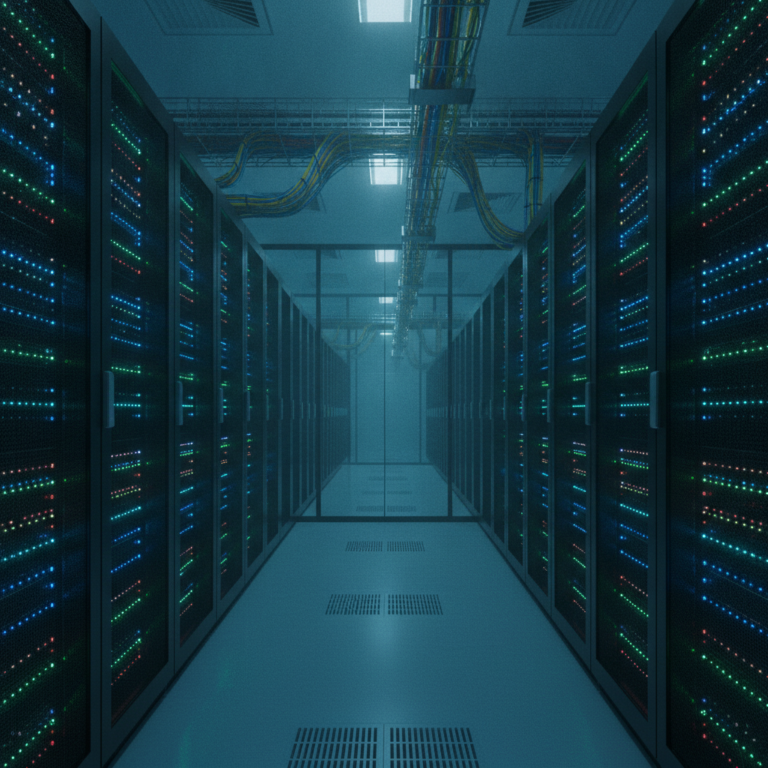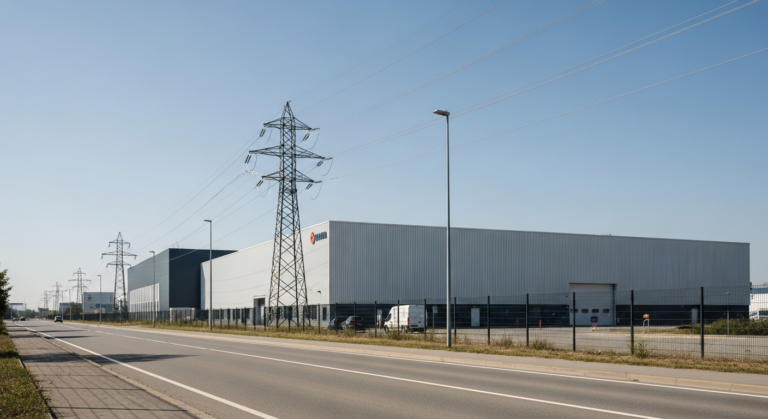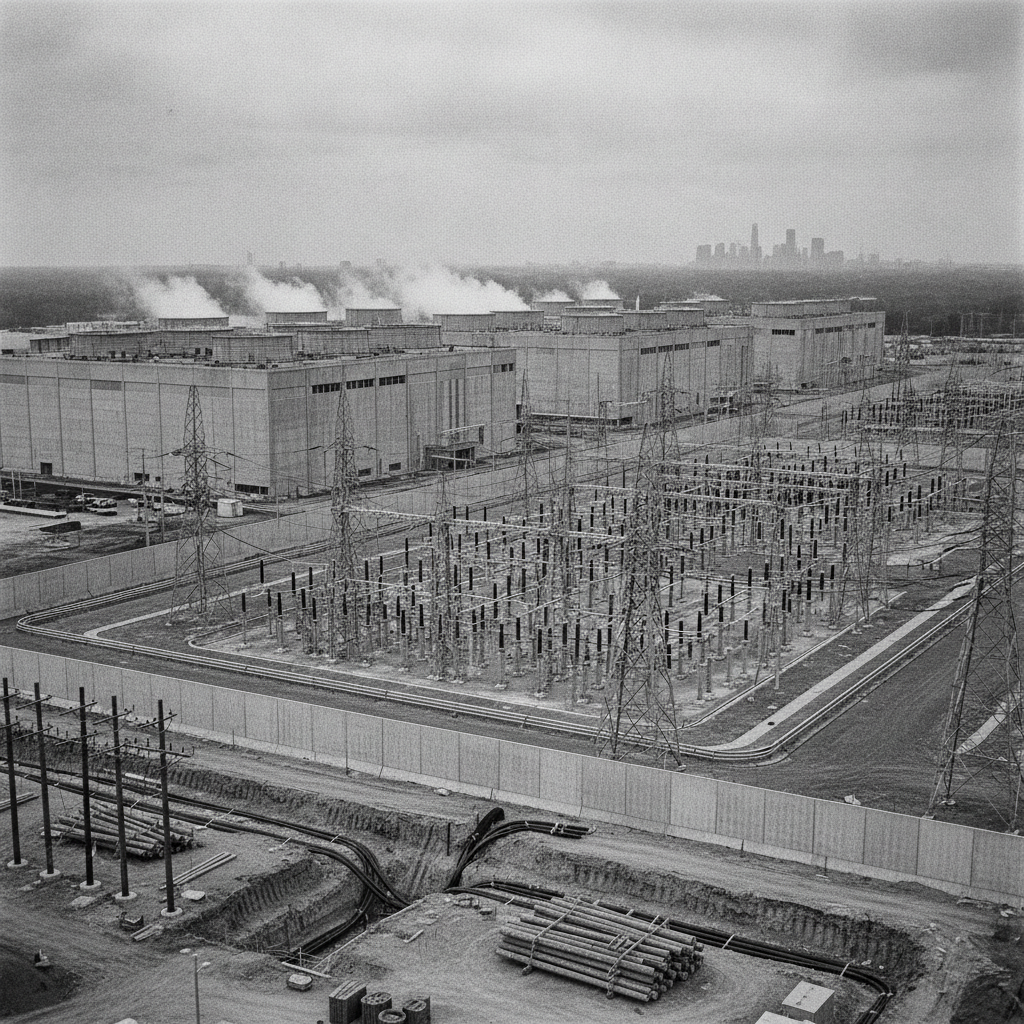
The rapid expansion of artificial intelligence technologies is creating a significant surge in demand for data centers, which in turn are placing substantial new pressures on electrical grids across the United States. These facilities, essential for processing the vast amounts of data required by AI applications, consume immense quantities of power, making grid capacity a primary factor in their site selection.
Technology and energy industry analyses consistently highlight how the growth of AI data centers is intrinsically linked to power demand and the long-term planning of utility providers. As companies seek locations for these energy-intensive operations, the availability of robust and reliable power infrastructure often outweighs other considerations. This dynamic is reshaping economic development debates, as communities weigh the benefits of attracting new tech investment against the need to ensure stable and affordable power for existing residents and businesses.
For cities like Florence, which are actively pursuing economic growth and seeking to attract diverse industries, understanding these national trends is crucial. While specific local projects related to AI data centers may not be publicly disclosed, the broader implications for utility planning, zoning, and workforce development are part of ongoing discussions in many municipalities. The need for scalable and dependable energy resources becomes a central consideration in strategic planning for future industrial and technological development.
Utility companies are facing the challenge of forecasting and meeting this escalating demand, often requiring significant investments in new generation capacity, transmission lines, and distribution infrastructure. These investments can have long-term effects on rate structures and the overall energy landscape for communities. The conversation around AI data center growth underscores a broader need for coordinated planning between local governments, economic development agencies, and power providers to ensure that infrastructure can support both current needs and future aspirations.