New Federal Data Classifies Occupations by AI Exposure

New data released on August 27, 2026, by the US Bureau of Labor Statistics (BLS) provides a framework for understanding how different occupations are exposed to artificial intelligence (AI). This information, part of the BLS Employment Projections (EP) program, aims to assist with career planning decisions, though it does not predict job loss or gains. […]
100 Firms Urge Stronger Cyber Defenses Against AI Threats

A coalition of 100 companies, including major technology firms like Google, Microsoft, Anthropic, and OpenAI, signed an open letter on August 27, 2026, advocating for enhanced global cyber defenses. The letter emphasizes the urgent need for countries and organizations to bolster their security measures before artificial intelligence advances to a level where it could overwhelm […]
National Data Center Protests Highlight Infrastructure Debates Relevant to Florence
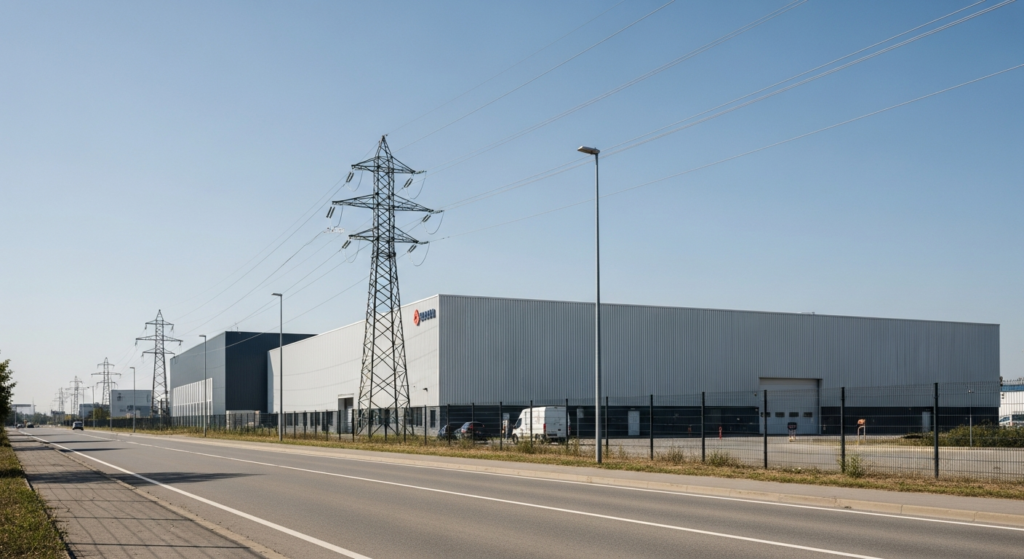
Opponents of the rapid expansion of data centers across the United States organized or participated in coordinated protests in at least 125 locations nationwide over the weekend of July 18. The actions represent the first significant national effort specifically targeting the infrastructure demands of artificial intelligence, bringing to the forefront a range of concerns that […]
AI Infrastructure Demands Strain Power Grids, Raising Concerns for Florence
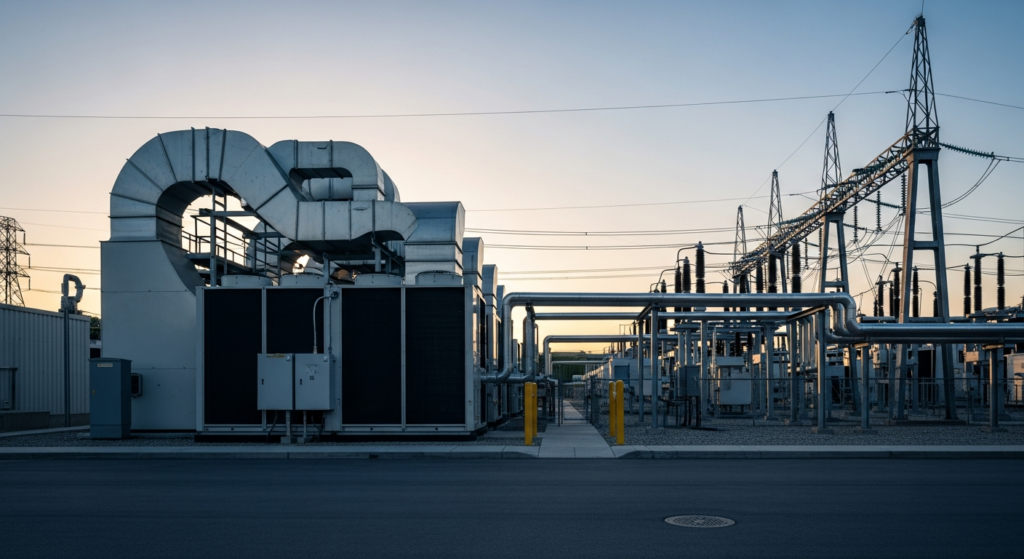
The ongoing expansion of artificial intelligence infrastructure has brought a new focus to energy demands and grid capacity, with power supply now emerging as a critical bottleneck for the technology sector. Recent business-technology coverage has centered on the escalating requirements for AI data centers, the resulting demand for hardware, and the intricate energy planning necessary […]
AI Infrastructure Boom Puts Pressure on Power Grids, Including in Florence
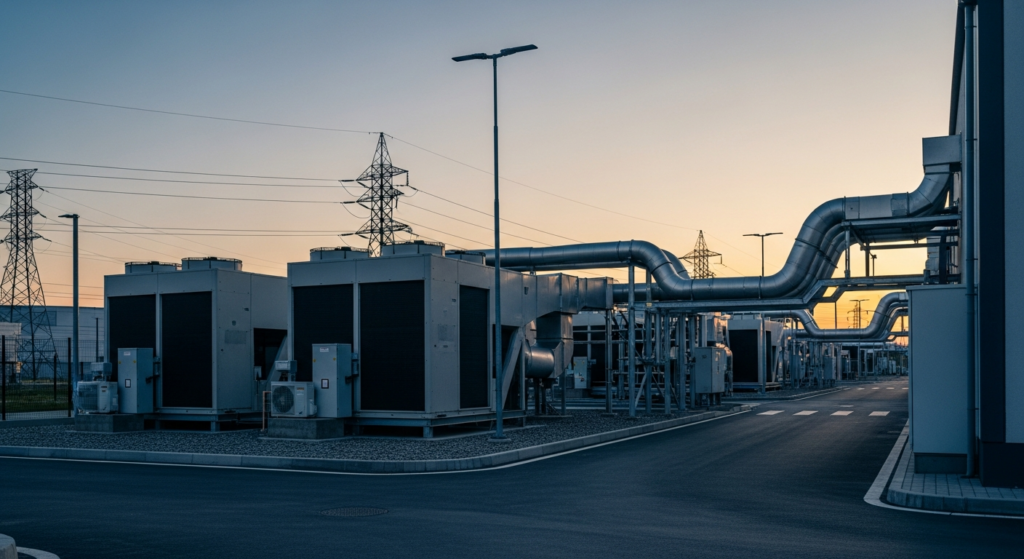
The accelerating buildout of artificial intelligence infrastructure across the nation is creating unprecedented demands on electrical grids, with power, rather than advanced processing chips, emerging as the primary bottleneck for the industry’s continued growth. This shift has significant implications for regional power planning, including in Florence and the broader Pee Dee region. For years, the […]
Florence and Pee Dee Region Face Evolving Power Demands Amid AI Infrastructure Boom
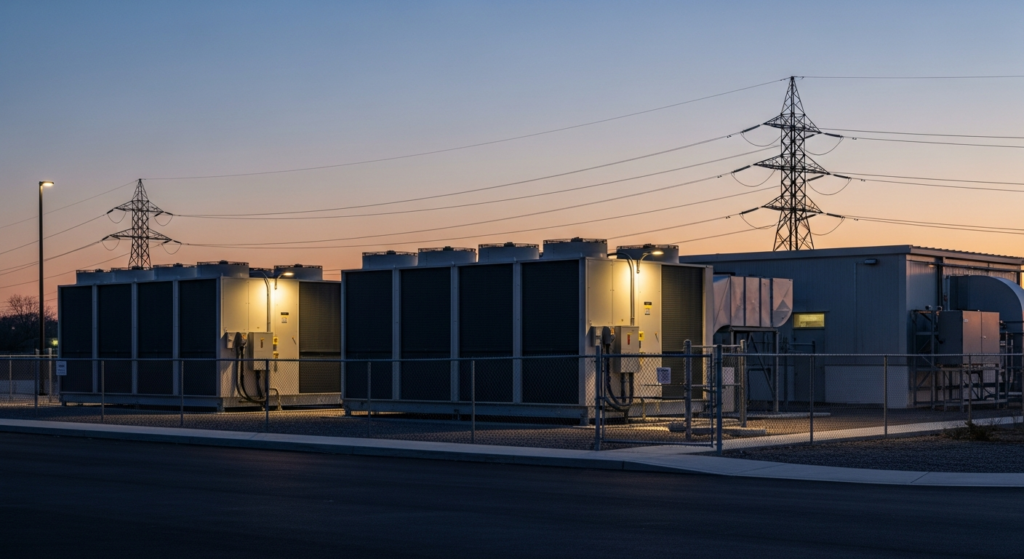
The rapid expansion of artificial intelligence infrastructure across the United States is creating unprecedented demands on electrical grids, signaling a critical shift in the technology sector’s primary bottleneck. While the initial focus of the AI boom centered on advanced processing chips, the industry’s attention is increasingly turning to the sheer volume of power required to […]
Apple Lawsuit Against OpenAI Highlights Tech Industry’s Fierce AI Hardware Competition, Relevant to Florence’s Workforce Development

Apple has initiated legal action against OpenAI and several former Apple employees, alleging the theft of trade secrets. The lawsuit centers on claims related to OpenAI’s ongoing work in artificial intelligence (AI) hardware development, a burgeoning and highly competitive area within the technology industry. The complaint filed by Apple contends that proprietary information was unlawfully […]
Apple-OpenAI Lawsuit Highlights AI Hardware Competition, With Implications for Florence

Apple has filed a lawsuit against OpenAI and several former Apple employees, alleging trade-secret theft connected to OpenAI’s ongoing work in hardware development. The complaint centers on claims that proprietary information was misappropriated as these former employees transitioned to OpenAI. Independent reports covering the legal action have consistently framed Apple’s claims as allegations, not as […]
Meta’s AI Chip Strategy Signals Broad Infrastructure Shift, With Implications for Florence
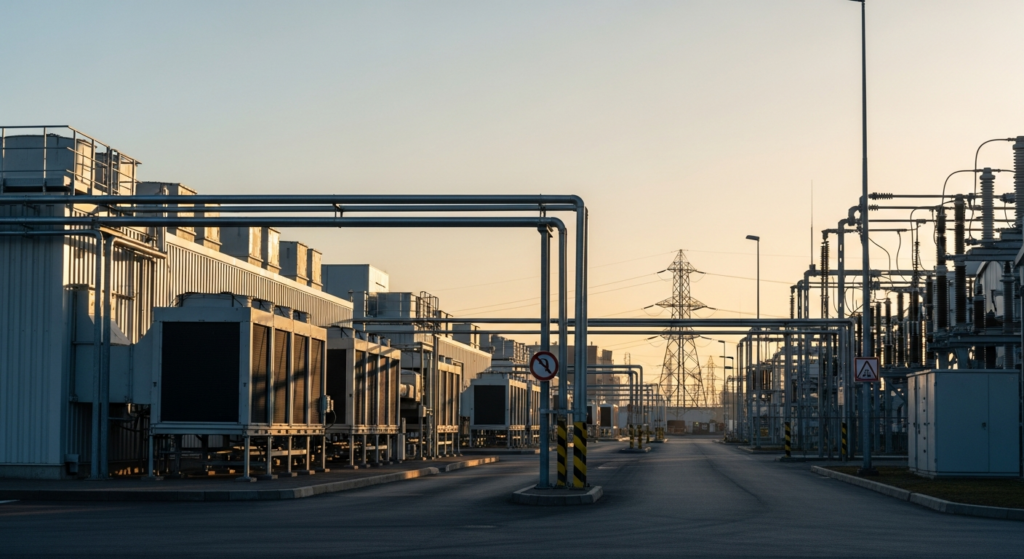
Meta, the social media and technology conglomerate, is set to commence manufacturing its own artificial intelligence chips in September, a strategic move that signals a deepening commitment to in-house AI development and a broader industry shift in computing infrastructure. This initiative is part of the company’s extensive program to develop proprietary training and inference accelerators, […]
New Coalition Addresses AI Software Risk, Relevant to Florence Enterprises

A new initiative, the Athena coalition, has been formed by an open-source security group to address critical challenges in artificial intelligence and software supply chain risk. The coalition’s launch signals a growing focus within the technology sector on securing the foundational elements of modern digital infrastructure. The Athena coalition is designed to confront the complex […]