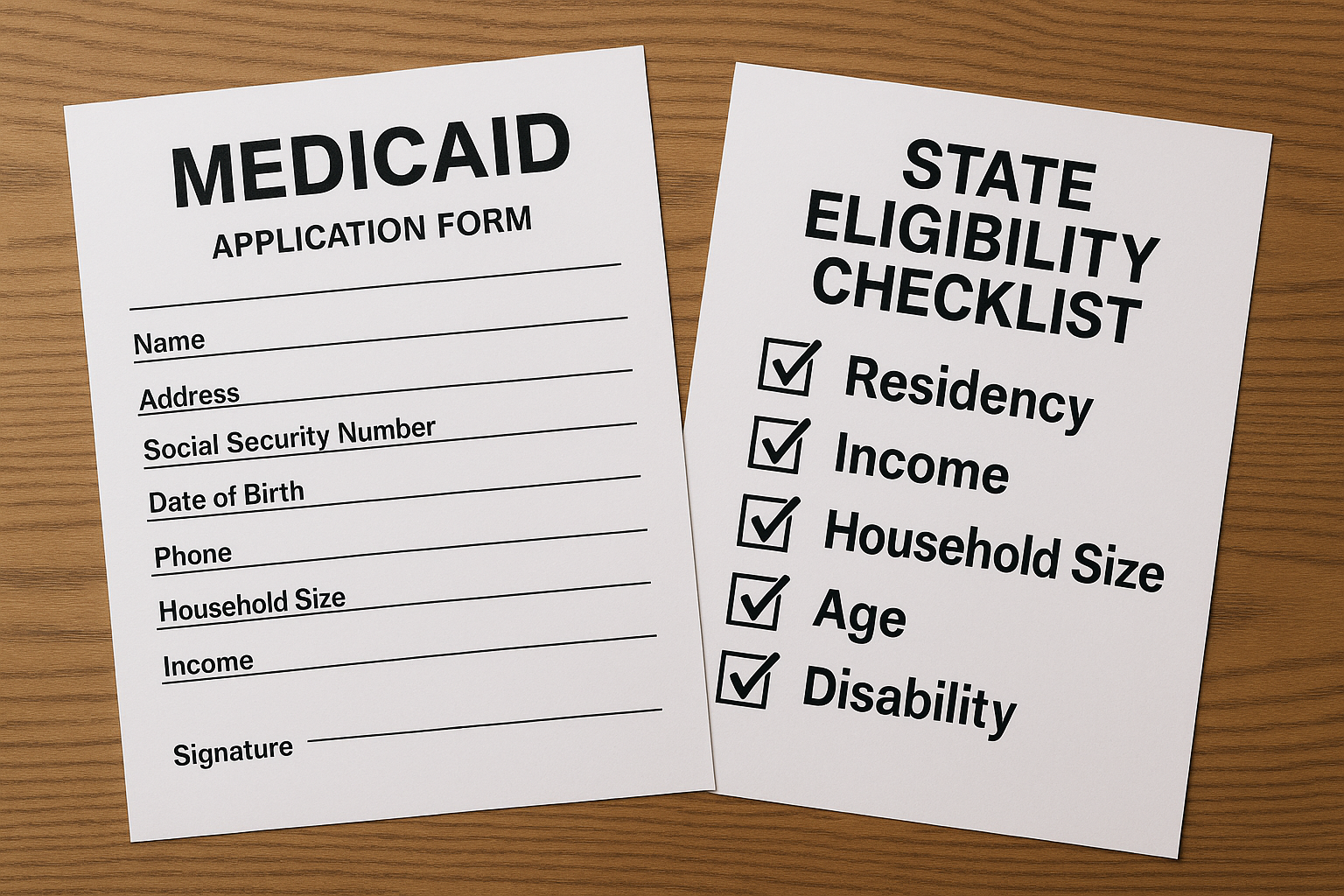
In a significant move impacting Medicaid recipients, congressional health leaders have voiced their concerns regarding an interim federal rule that introduces community-engagement requirements for certain adult applicants and enrollees. This rule is particularly relevant to Florence, where local health officials are closely monitoring its potential effects on the community.
The new framework described by congressional leaders outlines specific eligibility standards, exemptions, verification processes, and state reporting requirements. At the heart of the policy is a stipulation that mandates eligible adults to participate in at least 80 hours of community activities each month. This requirement aims to encourage engagement and participation among Medicaid recipients, but it has sparked a debate about its feasibility and potential consequences.
Local health experts in Florence are analyzing how this policy may affect access to healthcare for vulnerable populations. The 80-hour monthly activity standard could pose challenges for individuals who may already be struggling to meet their basic needs. Critics argue that such requirements could create barriers to care, particularly for those who are unemployed or underemployed, as they may find it difficult to balance work, family responsibilities, and community engagement activities.
Supporters of the rule believe that it could foster a sense of responsibility and community involvement among Medicaid recipients. They argue that engaging in community activities can lead to better health outcomes and a stronger support network for individuals. However, the effectiveness of this approach remains to be seen, as many local residents express concerns about the practicality of fulfilling the activity requirement.
Florence’s health officials are urging the community to stay informed about the developments surrounding this interim rule. They emphasize the importance of understanding how these changes could impact local Medicaid enrollees and the healthcare system as a whole. As discussions continue at the congressional level, local advocacy groups are also mobilizing to ensure that the voices of Florence residents are heard in this critical conversation.
The debate over the Medicaid community-engagement rule highlights the ongoing challenges faced by policymakers in balancing the need for accountability with the necessity of providing accessible healthcare. As the situation evolves, residents of Florence are encouraged to engage with local health services and advocacy organizations to better understand their rights and options under this new framework.
In conclusion, the congressional response to the Medicaid community-engagement rule reflects a broader conversation about healthcare access and community involvement. As Florence navigates these changes, the implications for local residents and their health outcomes will be closely monitored in the months to come.
Leave a Reply