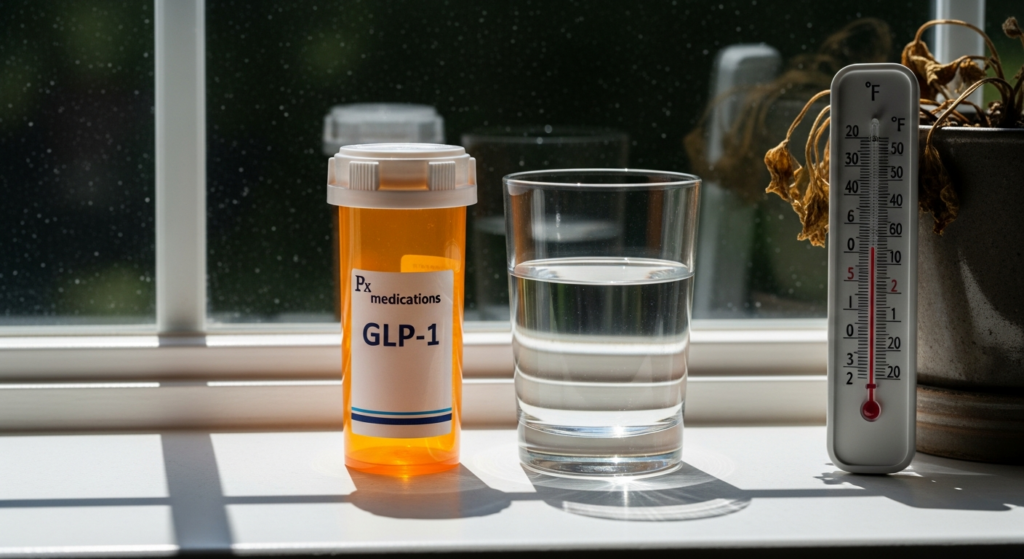
Medical professionals are increasingly cautioning individuals prescribed GLP-1 receptor agonist medications to monitor their hydration levels carefully, particularly during periods of high temperatures. This advice, disseminated through health coverage and local broadcast reports, highlights a specific concern regarding the interaction of these drugs with the body’s fluid regulation and appetite.
GLP-1 receptor agonists, a class of medications commonly used for managing type 2 diabetes and, in some formulations, for weight management, can influence the body’s signals for hunger and satiety. These drugs work by mimicking a natural hormone, slowing gastric emptying and affecting appetite centers in the brain. While beneficial for their intended purposes, this mechanism can inadvertently lead to reduced food and fluid intake, as patients may not feel as hungry or thirsty as usual.
With Florence and the broader Pee Dee region experiencing typical summer conditions, the risk of heat-related illnesses such as heat exhaustion and heatstroke increases. Residents are accustomed to warm weather, but the combination of medication effects and environmental factors requires heightened awareness. Dehydration can exacerbate the effects of heat, leading to symptoms that range from mild to severe.
Symptoms of dehydration can include dizziness, fatigue, dry mouth, reduced urination, and confusion. In more severe cases, it can lead to electrolyte imbalances and kidney issues. Heat-related symptoms can overlap, presenting as heavy sweating, weakness, nausea, headache, muscle cramps, and a rapid pulse. Recognizing these signs early is crucial for preventing more serious complications.
Healthcare providers stress the importance of proactive hydration, recommending consistent water intake throughout the day, even if thirst is not strongly perceived. Patients should discuss their specific hydration needs and any concerns with their prescribing physician or a qualified health provider. This individualized medical guidance is crucial for safe management of medication during hot weather.
Beyond medication considerations, general summer safety practices remain vital for everyone in Florence County. These include seeking shade, wearing light and loose-fitting clothing, avoiding strenuous activity during the hottest parts of the day, and recognizing the signs of heat stress in oneself and others. Staying informed and taking preventive measures can significantly reduce the risk of heat-related health issues for all residents.