As the warmest months settle in, residents of Florence and the broader Pee Dee region are encouraged to review essential guidelines for managing health risks associated with high temperatures, particularly for those taking prescription medications. The combination of heat and certain pharmaceuticals can pose significant challenges, necessitating careful attention to personal well-being.
Health experts underscore the importance of a comprehensive approach that includes diligent hydration, awareness of heat-related symptoms, and strategic planning for medication storage and travel. These measures are critical for individuals participating in outdoor events, running errands, or simply navigating daily life in Florence County during the summer.
### Prioritizing Hydration
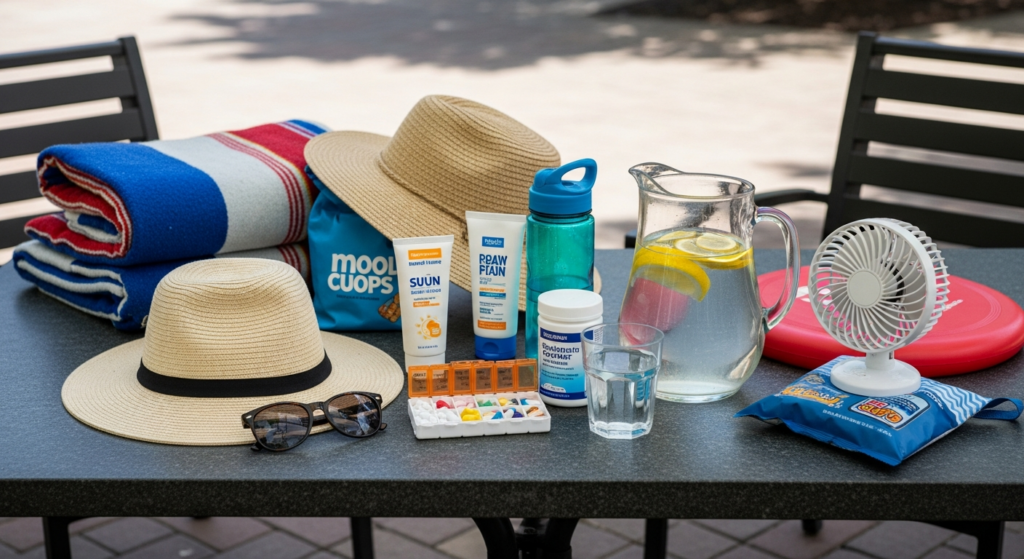
Maintaining adequate hydration is paramount when temperatures climb. The body’s ability to regulate its temperature relies heavily on sufficient fluid intake. While water is the primary recommendation, electrolyte-rich beverages can also be beneficial, especially for those engaged in prolonged physical activity or experiencing excessive sweating. Sugary drinks, caffeine, and alcohol should be consumed sparingly, as they can contribute to dehydration rather than alleviate it.
For those enjoying Florence’s numerous outdoor spaces, such as Timrod Park, Lynches River County Park, or Freedom Florence, carrying a reusable water bottle and refilling it frequently is a simple yet effective strategy. Even short periods outdoors, like a walk through Downtown Florence or errands in West Florence, can lead to fluid loss that needs to be replenished consistently throughout the day.
### Recognizing Heat-Related Symptoms
Understanding the signs of heat exhaustion and heat stroke is crucial for timely intervention. Symptoms of heat exhaustion can include heavy sweating, cold, clammy skin, a fast, weak pulse, nausea or vomiting, muscle cramps, tiredness, and dizziness. If these symptoms occur, individuals should move to a cooler place, loosen clothing, sip water, and apply cool, wet cloths to the body.
Heat stroke, a more severe condition, is a medical emergency characterized by a body temperature of 103°F or higher, hot, red, dry or damp skin, a fast, strong pulse, headache, dizziness, nausea, confusion, and unconsciousness. In such cases, immediate medical attention is necessary. Calling 911 is imperative, and while waiting for help, efforts should be made to cool the person down with cool cloths or a bath.
Individuals taking certain medications, such as diuretics, antihistamines, beta-blockers, or some antidepressants, may be more susceptible to heat-related illnesses. These medications can affect the body’s ability to sweat or regulate temperature, making symptom awareness even more critical. Consulting with a healthcare provider about potential interactions between medications and heat is a recommended proactive step.
### Safeguarding Medications from Heat
Many medications are sensitive to heat and humidity, which can degrade their effectiveness or alter their chemical composition. Prescription drugs should generally be stored in a cool, dry place, away from direct sunlight. This often means avoiding glove compartments in cars, direct sun exposure in bags, or placement near windows at home.
When traveling or running errands across Florence, especially during the peak summer heat, it is advisable to transport medications in insulated bags with ice packs, ensuring they do not freeze. Pharmacists can provide specific guidance on the storage requirements for individual prescriptions. For employees of major Florence-area employers like Honda of South Carolina Mfg. Inc., QVC Inc., or Sonoco Products Company, who may commute or work in varying conditions, careful planning for medication transport and storage throughout the workday is particularly important.
### When to Consult a Clinician
Personal medical decisions, especially concerning medication adjustments or health concerns related to heat, should always be discussed with qualified healthcare providers. Before making any changes to medication routines or if experiencing unusual symptoms, individuals should contact their doctor or pharmacist. Institutions such as McLeod Health and MUSC Health Florence Medical Center offer resources and medical professionals who can provide tailored advice.
Questions about how specific medications might interact with high temperatures, concerns about hydration strategies, or the interpretation of heat-related symptoms are all appropriate topics for discussion with a healthcare professional. Proactive communication ensures that individuals receive accurate, personalized guidance to navigate the summer safely.
### Why it matters in Florence
The health and safety of Florence residents during the summer months are directly impacted by understanding and implementing these heat-safety guidelines. With local healthcare providers like McLeod Health serving a significant portion of the Pee Dee region, a proactive approach to heat and medication management can help reduce the strain on emergency services and ensure better health outcomes. Whether working outdoors, enjoying the Great Pee Dee River, or simply managing daily life in neighborhoods like Windsor Forest or Ebenezer, informed decisions about hydration and medication care are vital for the well-being of the entire community in Florence. Adhering to these recommendations helps ensure that individuals can safely participate in summer activities and maintain their health amidst rising temperatures.