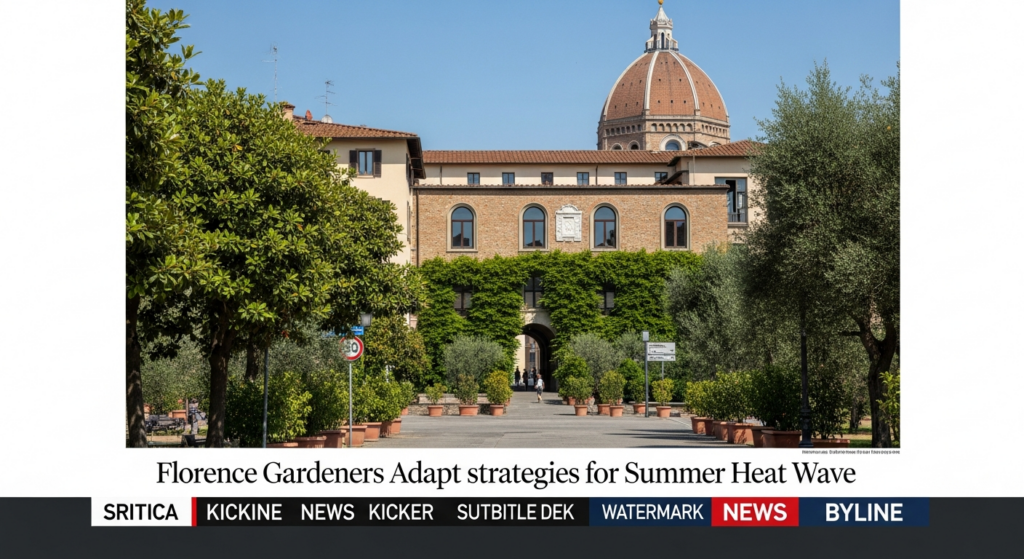
Amid a period of elevated temperatures, residents across Florence and the wider Pee Dee region are increasingly seeking guidance on how to maintain their gardens. The current demand for practical advice on protecting plants during high heat has prompted a renewed focus on fundamental gardening strategies.
Gardening experts emphasize several key practices to mitigate the effects of a heat wave, focusing on how and when plants receive water, their exposure to direct sun, and overall plant health management. These methods are crucial for preventing stress and ensuring the vitality of home gardens in Florence.
### Strategic Watering: Timing and Depth
One of the most critical adjustments during a heat wave involves watering practices. Gardening sources consistently highlight the importance of both the timing and depth of water application. Watering in the early morning or late evening is generally recommended. This timing minimizes water loss due to evaporation, allowing the soil to absorb moisture more effectively before the intense midday sun begins to beat down. Watering during the hottest parts of the day can lead to significant water waste and may even scorch plant leaves if water droplets act as tiny magnifying glasses.
Beyond timing, the depth of watering is equally vital. Instead of frequent, shallow watering, which encourages roots to stay near the surface where they are more susceptible to drying out, deep watering is advised. This practice involves applying water slowly and thoroughly, allowing it to penetrate several inches into the soil. Deep watering encourages plants to develop deeper, more robust root systems, making them more resilient to heat and drought conditions. For many plants, a deep watering session every few days is more beneficial than daily light sprinkles.
### Providing Essential Shade
Direct, prolonged exposure to intense summer sun can be detrimental to many plants, particularly those that are young, newly planted, or naturally prefer partial shade. Providing temporary shade can offer significant protection. This can be achieved through various means, such as using shade cloths, temporary tarps, or even strategically placed patio umbrellas. For smaller plants or containers, moving them to naturally shaded areas, like under a tree or on a porch, can prevent sun scorch and reduce water demand.
Shade helps to lower the surface temperature of leaves and the surrounding soil, reducing the rate of transpiration (water loss through leaves) and preventing wilting. This is especially important for delicate vegetables, herbs, and ornamental plants that may not be accustomed to the full intensity of the Florence summer sun.
### The Role of Mulching
Mulching is another highly recommended practice for heat-wave gardening. Applying a layer of organic mulch, such as wood chips, straw, or shredded leaves, around the base of plants offers multiple benefits. Mulch acts as an insulating layer, helping to regulate soil temperature by keeping it cooler during hot days and warmer during cooler nights. More importantly, mulch significantly reduces moisture evaporation from the soil, meaning less frequent watering is needed and plants have a more consistent supply of water.
Additionally, mulch helps suppress weed growth, which competes with garden plants for water and nutrients. A layer of mulch, typically 2 to 4 inches deep, can make a substantial difference in the health and resilience of a garden during prolonged periods of high heat in Florence.
### Prioritizing Stressed Plants
During a heat wave, some plants will inevitably show signs of stress, such as wilting, yellowing leaves, or stunted growth. It is important to prioritize care for these vulnerable plants. Newly planted specimens, those in containers, and plants with shallow root systems are often the first to suffer. Focusing extra attention on these plants, perhaps by providing additional shade, more targeted deep watering, or even temporarily relocating them, can prevent irreversible damage.
Regularly monitoring the garden for signs of stress allows for timely intervention. Understanding which plants are most susceptible to heat stress in the Florence climate can help gardeners allocate their resources effectively, ensuring that the most vulnerable species receive the care they need to survive and thrive.
### Why it matters in Florence
Effective heat-wave gardening strategies are particularly relevant for residents in Florence, where summer temperatures can pose significant challenges to home landscapes. The well-being of gardens in neighborhoods like Windsor Forest, where many homes feature established plantings, directly contributes to property aesthetics and homeowner satisfaction. Implementing practices like deep watering, mulching, and providing shade helps conserve water resources, a benefit for the entire Florence community, and ensures that the efforts of local gardeners are not undone by the intense summer heat. These measures support the continued vibrancy of residential areas and the overall green infrastructure of the city, impacting everything from local biodiversity to the daily enjoyment of outdoor spaces for families and individuals, including those employed at institutions like McLeod Health, who seek solace in their home environments after work.