As the 2026 hunting season approaches, prospective hunters across the Pee Dee region, including Florence County, are encouraged to begin their preparations. A recently released guide for beginners emphasizes the importance of early engagement with hunter education, securing necessary licenses, and outfitting oneself with appropriate gear and safety knowledge.
For those new to hunting, the initial step involves completing a state-approved hunter education course. These courses are designed to instill fundamental knowledge and responsible practices. Options typically include traditional classroom instruction complemented by a field day, online coursework followed by an in-person field day, or, in some states, fully online instruction for adults. Key topics covered generally include firearm or archery safety, principles of fair chase, accurate wildlife identification, establishing safe zones of fire, basic survival skills, first aid, and specific local hunting regulations. This foundational education is critical for safe and ethical participation in the sport.
Navigating the legal requirements is another crucial aspect of preparation. Hunting licenses, species-specific tags, and understanding season dates are paramount. These regulations can vary significantly by state, specific game management unit, species targeted, and even by the type of weapon used or the animal’s sex or age. For high-demand hunts, a lottery application process may be required, while other tags might be available for over-the-counter purchase. Hunters must also be aware of legal weapon types, minimum calibers or draw weights for archery, established bag limits, and specific tagging or reporting requirements for harvested game. Confirming current state regulations rather than relying on outdated information is strongly advised.
Securing legal access to hunting grounds is equally important. This involves obtaining written or electronic permission when hunting on private land. For public lands, hunters must research and understand specific restrictions and boundaries that apply. The guide underscores the need to practice with one’s chosen weapon until a reliable field-position shot can be consistently achieved, ensuring proficiency and minimizing the risk of wounding game.
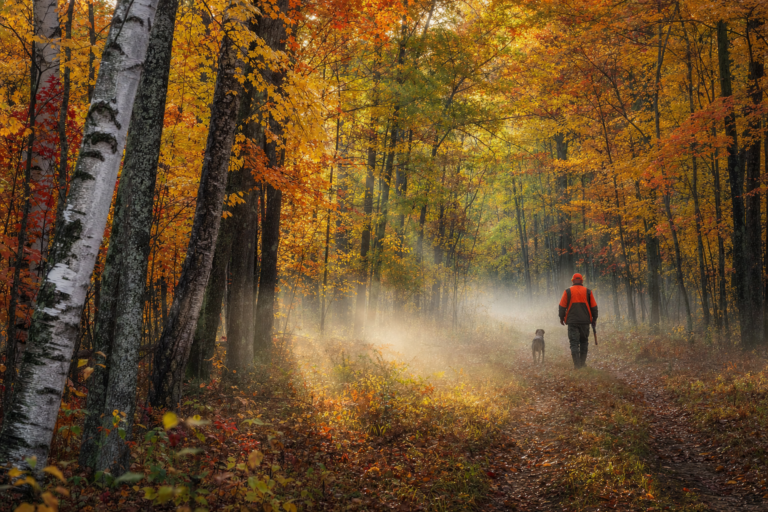
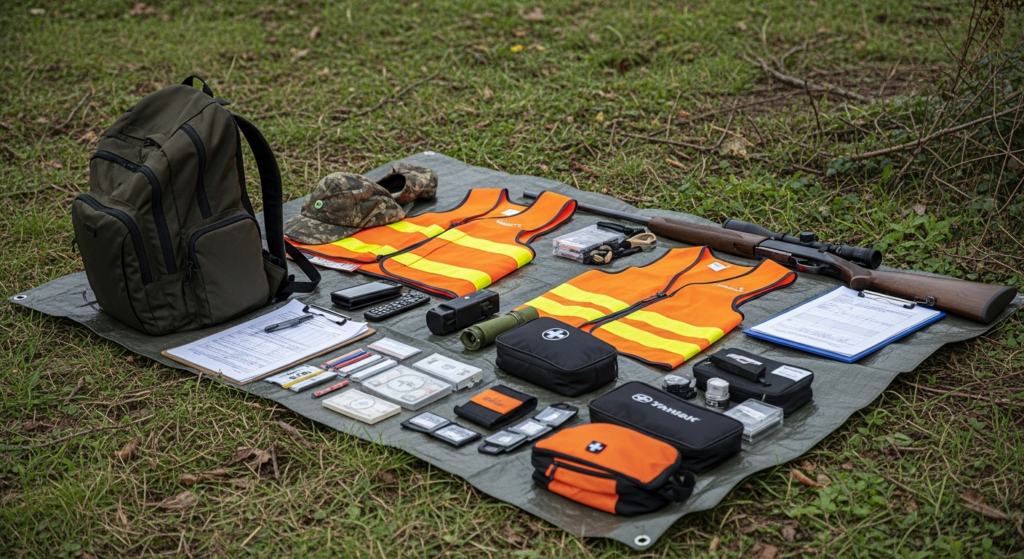
Essential gear for a beginner hunter includes a legal weapon and appropriate ammunition or arrows, along with practice equipment. Beyond the weapon, a valid license and tags are indispensable. Hunter orange clothing is often required for visibility and safety in many hunting scenarios. Comfortable, broken-in waterproof boots are recommended, alongside layered, non-cotton clothing suitable for varying weather conditions. Other vital items include binoculars for scouting, a day pack to carry essentials, sufficient water, high-calorie snacks, a headlamp with extra batteries for low-light conditions, a sharp knife for field dressing, and a comprehensive first-aid kit.
Initial equipment costs can be a significant consideration. An entry-level rifle paired with a basic scope might range from $450 to $800 new, or $300 to $500 for a used option. A shotgun suitable for deer or small game typically costs between $350 and $700 new, or $250 to $450 used. For archery enthusiasts, a compound bow package with accessories could cost $400 to $900 new, or $250 to $500 used. Boots and basic clothing layers are estimated at $200 to $400 new, or $100 to $250 for budget options. Entry-level binoculars generally fall between $100 and $250 new, or $75 to $150 used. These figures highlight the potential investment required for new participants.
Safety remains a paramount concern. The guide reiterates four fundamental firearm safety rules: always treat every firearm as if it is loaded, keep the muzzle pointed in a safe direction, keep the trigger finger off the trigger until ready to shoot, and positively identify the target and what lies in front of and beyond it. For elevated hunting, such as from a tree stand, additional safety measures are critical. These include using a full-body safety harness, a lineman’s belt, a lifeline, thoroughly inspecting the stand before each use, and employing a haul line to raise and lower unloaded weapons.
Fieldcraft and post-shot procedures are also detailed. After taking a shot, hunters are advised to carefully observe the animal’s reaction and mark its last known location. Waiting for an appropriate period before tracking is often recommended. Tracking should begin at the hit site, slowly following any signs. If needed, seeking assistance from experienced hunters is encouraged. Once the animal is recovered, it must be tagged as required by state regulations. Prompt cooling and cleaning of the meat are essential for preservation, followed by adherence to state rules for carcass or quarter transport. The guide also suggests leaving a detailed itinerary with someone before each hunt and, when possible, beginning with a mentor to gain practical experience.
First seasons often involve early mornings, extended periods without seeing game, missed opportunities, and learning from mistakes. The guide frames success not solely as filling a tag, but as developing safe, legal, ethical, and practical hunting skills. Keeping a hunting journal to record location, wind, weather, observations, and lessons learned can be a valuable tool for improvement.
Why it matters in Florence
The preparations for the 2026 hunting season hold particular relevance for Florence and the wider Pee Dee region. The area, with its proximity to natural resources like the Great Pee Dee River and Lynches River, offers significant opportunities for outdoor recreation, including hunting. Local businesses, ranging from sporting goods stores to outfitters, often see increased activity as residents and visitors acquire necessary gear and supplies. Furthermore, organizations like Francis Marion University and major employers such as McLeod Health often have employees and students who engage in outdoor pursuits. Promoting safe and ethical hunting practices ensures the sustainability of wildlife resources and contributes to the region’s outdoor heritage, benefiting both the environment and the local economy in Florence. Adherence to state regulations helps maintain responsible land use across Florence County and beyond.