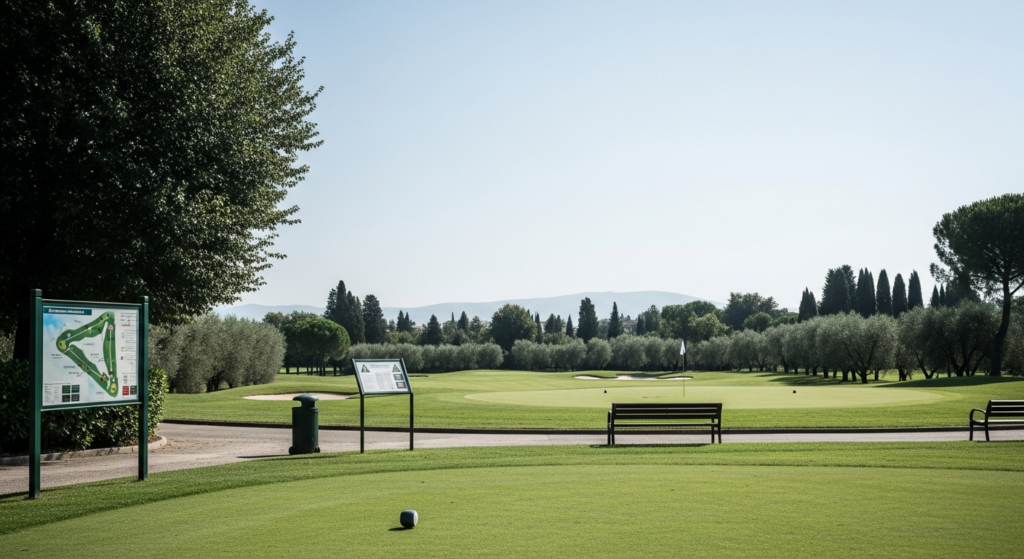
A detailed manual outlining fundamental golf etiquette continues to serve as a standard for players, emphasizing principles designed to enhance the overall experience for all participants, preserve the condition of golf courses, and ensure safety during play. Titled “A Golf Course Etiquette Manual” and marked with a “Rev. 3/2013” date, the document covers a broad spectrum of conduct, from pre-round preparations to on-course behavior and post-game considerations.
The manual introduces a set of guidelines intended to foster a more enjoyable environment for golfers and to protect the significant investments made in maintaining greens and fairways. Key areas addressed include appropriate dress codes, responsible cell phone usage, conduct within clubhouses, and proper utilization of practice facilities. These elements collectively aim to create a respectful atmosphere both on and off the course.
Preparation is highlighted as crucial for maintaining the flow of play. The manual advises players to arrive at the course with ample time to complete necessary pre-round activities, recommending a window of five to 15 minutes before their scheduled tee time. This preparation ensures that groups can begin their rounds promptly and avoid delays for subsequent players.
Pace of play is a central theme, with the manual asserting that a group of four should be able to complete an 18-hole course in four hours or less, provided they maintain an appropriate speed. To facilitate this, specific guidance is offered for common situations that can slow down play. For instance, players are advised to abandon the search for a lost ball after a maximum of five minutes. To prevent unnecessary returns to the tee, the manual recommends hitting a provisional ball whenever a shot might be out of bounds or lost outside a water hazard, thereby saving time and keeping the game moving.
Safety protocols are clearly delineated to prevent accidents on the course. Players are instructed to always ensure that no one is within the arc of their swing before striking a ball. Furthermore, golfers must wait until players ahead are well out of range before hitting their own shots. In instances where a ball in motion could potentially strike another person, the manual mandates shouting “FORE!” loudly and clearly to alert those in danger, a critical measure for preventing injuries.
Course maintenance is another significant component of the etiquette guide, underscoring the player’s role in preserving the quality of the playing surface. This includes the immediate replacement of divots, which are pieces of turf dislodged during a swing. Players are also expected to rake bunkers after use, smoothing out footprints and club marks to leave the sand in good condition for the next player. Repairing ball marks on putting greens is also emphasized, as unrepaired marks can damage the delicate surface and affect ball roll.
Additionally, the manual provides specific instructions for golf cart usage. To protect the course, carts should be kept away from tees and putting greens, typically adhering to designated cart paths or rough areas. When applicable, the “90-degree rule” is to be followed, which permits carts to drive onto the fairway at a 90-degree angle from the cart path, proceed directly to their ball, and then return to the path, minimizing wear and tear on the turf. Adherence to these guidelines helps ensure the longevity and playability of golf courses throughout Florence and the wider Pee Dee region.
Beyond these specific points, the manual also touches on general rules of golf, encouraging players to familiarize themselves with the official regulations to ensure fair play and avoid disputes. The overarching message is one of respect—for the course, for fellow players, and for the game itself. By following these established norms, golfers contribute to a more positive and efficient experience for everyone involved.
Why it matters in Florence
Adherence to established golf etiquette is crucial for maintaining the quality and accessibility of recreational opportunities in Florence. While the city itself may not host a PGA Tour event, local courses provide valuable leisure options for residents, including employees of major institutions like McLeod Health and Florence County School District One. These standards help ensure that local golf facilities remain in excellent condition, offering an enjoyable and safe environment for all players. By promoting efficient pace of play and responsible course care, the community supports the sustainability of these recreational assets, contributing to the overall quality of life and attractiveness of Florence for families and professionals alike. The principles outlined in such manuals directly impact the daily experience of golfers and the operational success of local recreational venues.