Hunters across Florence and the broader Pee Dee region are engaging in meticulous preseason preparations for deer hunting, a critical period for ensuring safety, equipment functionality, and strategic advantage. These preparations encompass a wide array of tasks, from inspecting weaponry and clothing to scouting potential hunting grounds and readying camping gear. The comprehensive approach aims to mitigate risks and enhance the overall hunting experience as the season draws near.
A foundational element of preseason readiness involves a thorough inspection and maintenance of all hunting weapons. For archers, this means carefully examining bows for any signs of wear or damage, particularly focusing on worn or separated limbs, cams, and strings. Regular waxing of bowstrings is recommended to prolong their life and maintain performance, and any questionable components should be replaced without hesitation. Consistent practice shooting is also emphasized to build and maintain accuracy and consistency, crucial for ethical hunting.
Rifle owners are advised to clean and oil their firearms meticulously, ensuring all moving parts are free of debris and properly lubricated. A critical step involves verifying that the scope is securely mounted and has not shifted since the last use. Confirming the rifle’s zero at a shooting range is essential, as even minor adjustments can significantly impact accuracy in the field. For those using broadheads with arrows, an arrow spinner should be employed to check for straightness and proper alignment. A broadhead tip that wobbles, even slightly, can lead to erratic arrow flight and poor performance, undermining shot placement.
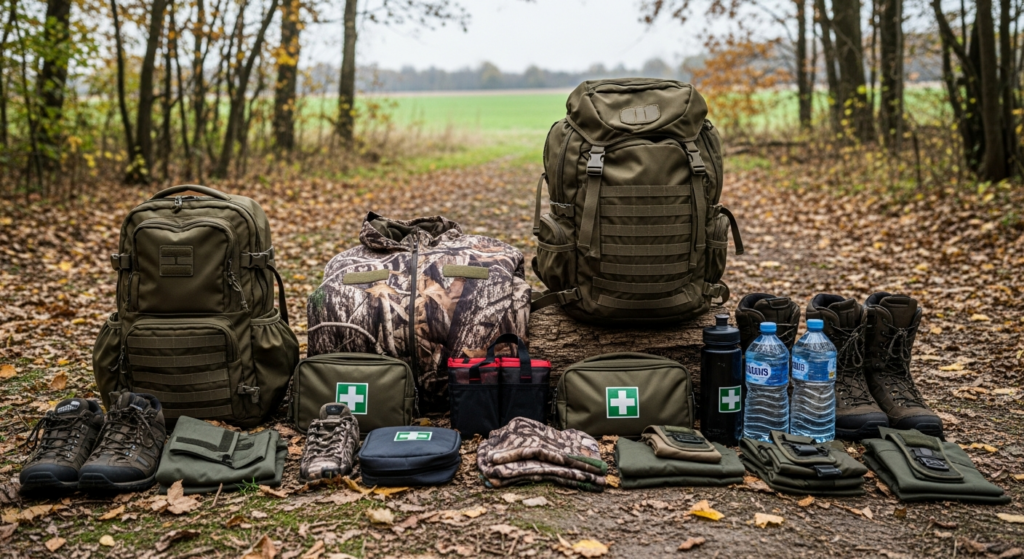
Beyond weaponry, attention to clothing and footwear is paramount for comfort, concealment, and protection. Hunters should wash all hunting apparel with scent-free detergent to eliminate any odors that could alert game. Each garment should be inspected for holes, worn seams, and fading, which can compromise camouflage or insulation. New footwear, if acquired, requires a break-in period to prevent discomfort and blisters during long treks. Verifying the waterproofing of boots and other gear is also crucial, particularly given the varied terrain and potential for wet conditions in the Pee Dee. Additionally, clothing can be treated with permethrin, a repellent, to provide protection against tick-borne illnesses, a common concern during outdoor activities in the summer months.
Safety equipment and stand setup demand rigorous attention. Treestands, ladder stands, and climbing sticks must be thoroughly inspected for any signs of rust, loose fasteners, cracks, or frayed straps that could compromise their structural integrity. A full-body harness is a non-negotiable safety item, and hunters should practice using it in conjunction with a lifeline to ensure familiarity and proper deployment in an emergency. For navigation, handheld GPS units or phone mapping applications should be fully charged, along with any external battery packs, to prevent loss of orientation in unfamiliar terrain. The guide suggests hanging stands early in the season, trimming shooting lanes conservatively to avoid over-clearing, and using quiet, scent-free methods during installation to minimize disturbance to the hunting area.
Strategic planning begins long before stepping into the woods, often with map scouting. Hunters are encouraged to meticulously study contour lines on topographical maps to identify key terrain features such as saddles, ridges, and draws, which often serve as natural travel corridors for deer. Identifying water sources like creeks, ponds, and low spots, as well as agricultural fields, oak stands, and natural browse areas, helps pinpoint potential feeding and bedding locations. Mapping out trailheads and access points is also vital for efficient entry and exit. Crucially, hunters should plan multiple entry and exit routes, considering different wind conditions to avoid alerting game to their presence. Digital mapping tools, such as those offered by REVEAL, can enhance this process. Their Xtra add-ons, available for $4 per month, provide additional features like property boundaries, detailed property information, shape and path drawing tools, and custom pins, offering a more comprehensive view of the hunting landscape.
Trail cameras have become an indispensable tool for many hunters, offering insights into deer movement and patterns. Optimal placement for these cameras includes mineral licks, trails connecting bedding and feeding areas, field edges and corners, and water sources. Power management is a key consideration; options range from lithium cartridges and solar panels (including folding variants) to battery belts, ensuring continuous operation. Before deployment, cameras should have fully charged batteries, and any SD cards used should be formatted and clearly labeled. Testing the camera’s field of view, motion activation, flash, and other settings is crucial to ensure it captures the desired images. Cellular cameras, in particular, require activation and updating with the latest REVEAL app version to ensure seamless data transmission. It is notable that Ultra and REVEAL 3.0 series cameras feature internal memory, making external SD cards optional for their operation.
For those planning multi-day hunts or using temporary shelters, preseason camp checks are essential. Tents and campers should be inspected for any wear, missing stakes, cracked poles, or other missing items that could compromise shelter. Sleeping bags and pillows should be aired out to ensure freshness and loft. Fuel canisters for camping stoves need to be filled, and a comprehensive check of packed items should confirm the presence of cutlery, valid hunting tags, non-perishable snacks, sufficient water, a current hunting license, and a well-stocked first-aid kit. Beyond gear, physical preparation is critical. Practicing shooting in hunting clothes helps simulate real-world conditions. Coordinating plans with private-land owners, if applicable, ensures clear communication and access. Finally, getting into good physical shape through long hikes and climbs prepares the body for the strenuous demands of navigating varied terrain and carrying equipment.
The thoroughness of these preseason preparations directly influences the safety, success, and enjoyment of the deer hunting season. By addressing each component systematically, hunters in Florence can approach the season with confidence, knowing they are well-equipped and ready for the challenges and rewards of the field.
Why it matters in Florence
The annual deer hunting season represents a significant recreational and cultural activity for many residents of Florence and the surrounding Pee Dee region. The meticulous preparations undertaken by hunters contribute to wildlife management efforts and promote responsible outdoor practices. For local businesses, particularly those catering to outdoor sports and equipment, such as sporting goods stores or hardware suppliers, the preseason rush translates into increased economic activity. Furthermore, the emphasis on safety, particularly with treestands and firearms, underscores the importance of public health and well-being, reducing the burden on local emergency services like those provided by McLeod Health, ensuring that recreational pursuits remain safe for all participants and the wider community in Florence.