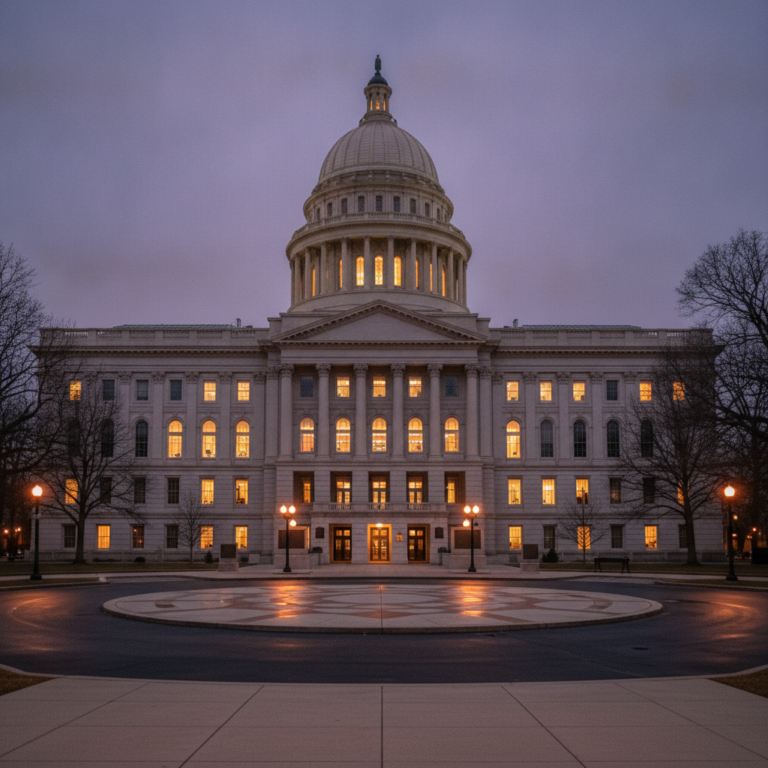
The Supreme Court has increasingly relied on emergency orders to address pressing legal questions, a practice that has drawn scrutiny for its expedited nature and impact on federal governance. These orders, often issued without full briefing or oral arguments, have become a significant mechanism for the Court to weigh in on contentious public-policy disputes, particularly those concerning executive power and election rules.
Recent legal analyses highlight the consistent use of this ‘shadow docket’ for cases that affect the authority of the executive branch and the framework of electoral processes. These swift decisions can have immediate and far-reaching consequences, shaping how federal agencies operate and how elections are administered across the country.
The nature of these emergency rulings means they often address time-sensitive matters, such as challenges to federal regulations or state election laws, where a delay could render the issue moot. While the Court’s traditional docket proceeds with extensive deliberation, the emergency docket allows for rapid intervention, reflecting the urgency of the cases brought before it.
The ongoing reliance on these expedited orders ensures that disputes over governmental authority and regulatory questions remain a central focus of the judiciary. These cases frequently involve high stakes, influencing everything from environmental policy to public health measures, and the procedural pathway chosen by the Supreme Court can significantly alter their trajectory and outcome.
### Why it matters in Florence
The Supreme Court’s decisions, even those issued through emergency orders, establish legal precedents and frameworks that can have tangible effects on communities like Florence. While these rulings originate at the federal level, they often dictate the operational parameters for state and local governments, as well as institutions within Florence. For instance, federal regulations influenced by executive power disputes can impact funding, compliance requirements, or programmatic decisions for entities such as Florence County School District One. Similarly, rulings on election rules, even if they pertain to federal elections, can set standards or influence interpretations of voting procedures that eventually affect how local elections are conducted in Florence and across the Pee Dee region. The legal landscape shaped by these federal orders forms a backdrop against which local governance and daily life in Florence unfold, underscoring the interconnectedness of national judicial actions and local realities.