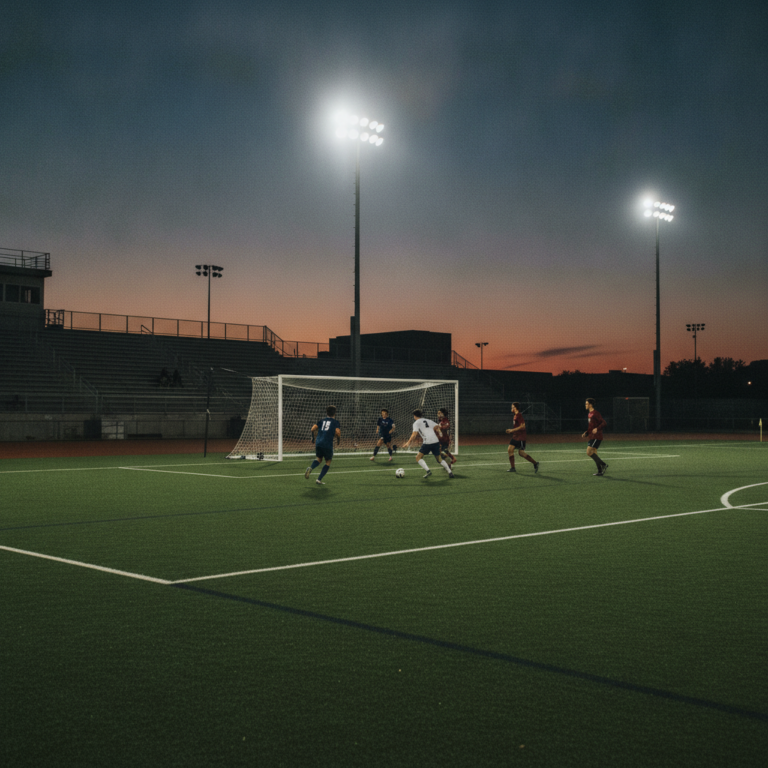
The United States Men’s National Team will compete against Belgium in a World Cup match scheduled for Monday, July 6, providing a significant evening viewing window for audiences in the U.S. The fixture is a key event in the ongoing tournament, drawing national attention to the global soccer stage.
This prime-time slot for the USA-Belgium encounter is expected to capture a wide audience, as it aligns with typical evening viewing habits across time zones. World Cup matches, particularly those involving the U.S. team, often generate considerable interest, extending beyond dedicated soccer enthusiasts. The schedule placement ensures that many can tune in without conflict from daytime commitments.
The World Cup, held every four years, represents the pinnacle of international soccer competition. For the U.S. team, advancing through the tournament is a closely watched narrative, with each match carrying substantial weight. The July 6 game against Belgium is positioned as a pivotal moment, potentially influencing the team’s trajectory in the competition.
Across the country, and in communities like Florence, the event offers a shared cultural touchpoint. While specific local watch parties or venues in Florence have not been announced, the national broadcast ensures that residents can follow the action from their homes. The widespread availability of coverage supports a collective experience for fans, regardless of their immediate proximity to large-scale public viewings.
The focus on the U.S. team’s performance often sparks conversations and camaraderie among supporters. As the tournament progresses, the stakes for each game increase, amplifying the excitement. The match on July 6 is a prime example of how major international sporting events can create a sense of shared anticipation and national pride, even in communities far from the competition’s host cities.
### Why it matters in Florence
The prime-time World Cup match between the United States and Belgium on July 6 offers a moment of shared national focus that resonates throughout Florence. For employees at major local institutions like McLeod Health, or families across neighborhoods such as West Florence and Downtown Florence, the evening fixture provides a collective event to follow. While specific public gatherings are not detailed, the widespread broadcast of such a significant international sporting event creates common ground for discussion and informal engagement among residents. This shared experience, even if primarily viewed from homes, contributes to the community’s connection to broader national and global narratives, offering a brief respite and a topic of common interest during the summer.