A significant heat dome event, identified by national forecasters, is poised to affect the Florence area this July, prompting renewed focus on protecting outdoor plants and garden beds. Homeowners and gardening enthusiasts across Florence County are preparing for conditions that can stress even resilient landscaping, making proactive care essential for plant survival through the summer.
One of the most critical strategies for plant protection during periods of intense heat is deep and infrequent watering. Rather than daily shallow watering, which encourages roots to stay near the surface where they are more susceptible to drying out, deep watering promotes the development of stronger, more extensive root systems. This allows plants to access moisture from deeper soil layers, improving their resilience. Gardeners in Florence should aim to water early in the morning or late in the evening to minimize evaporation, ensuring the water penetrates several inches into the soil. The frequency will depend on soil type and plant needs, but the goal is to thoroughly saturate the root zone when watering.
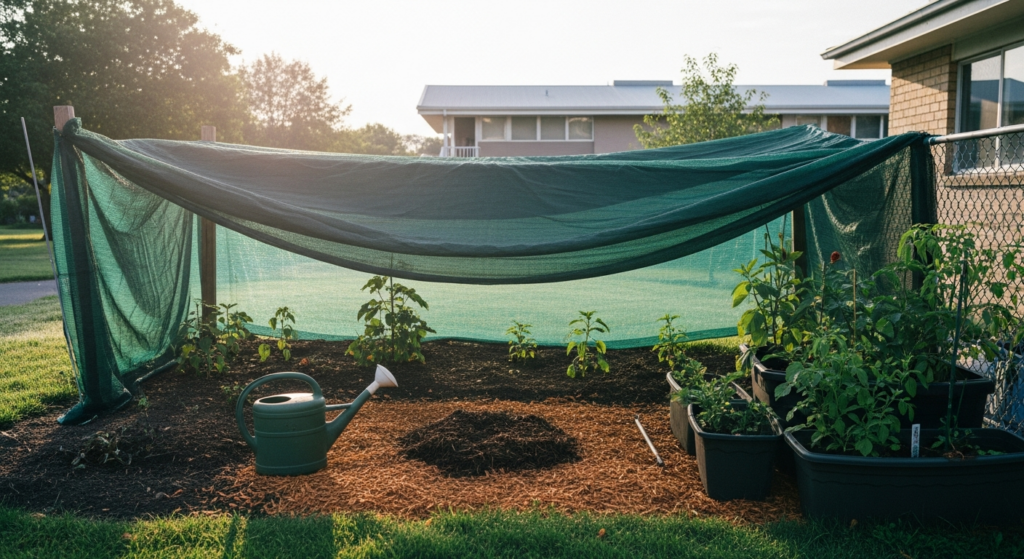
Providing adequate shade is another vital component of heat management for gardens. Many plants, particularly those in containers or newly planted beds, can suffer from direct, intense sunlight during the hottest parts of the day. Temporary shade structures, such as shade cloth, garden umbrellas, or even strategically placed tarps, can offer crucial relief. For container plants, the simplest solution is often to move them to a shadier location on a patio or under a tree during peak afternoon heat. This practice is particularly beneficial for delicate ornamentals and vegetables that are prone to wilting or scorching.
Mulching plays a dual role in protecting garden beds from extreme temperatures. A layer of organic mulch, such as pine straw, wood chips, or compost, helps to retain soil moisture by reducing evaporation. This means less frequent watering is needed, conserving water resources. Additionally, mulch acts as an insulating layer, keeping soil temperatures cooler and more consistent, which is beneficial for root health. A two-to-four-inch layer of mulch applied around plants, keeping it a few inches away from stems, can significantly mitigate heat stress and suppress weed growth, further reducing competition for water and nutrients.
Finally, avoiding strenuous outdoor work during the midday heat is advisable for both plants and people. The period between 10 a.m. and 4 p.m. typically sees the highest temperatures and most intense sun exposure. Performing tasks like pruning, planting, or fertilizing during these hours can add additional stress to plants that are already struggling with heat. It is also a critical safety consideration for gardeners themselves, reducing the risk of heat exhaustion or heatstroke. Planning garden activities for the cooler morning or evening hours ensures both plants and people can operate under less stressful conditions, contributing to healthier gardens across Florence.
### Why it matters in Florence
These gardening strategies are particularly relevant for residents across Florence, where summer temperatures frequently challenge outdoor plant life. From the meticulously maintained gardens in West Florence neighborhoods like Windsor Forest to the community plots and public green spaces near Timrod Park, safeguarding plants against the intense July heat is a shared concern. Adopting these practices helps preserve the aesthetic appeal of residential landscapes and contributes to the overall health of the urban canopy. For institutions like Florence-Darlington Technical College, which maintains extensive grounds, these methods are crucial for sustaining campus landscaping and demonstrating best practices in horticulture, underscoring the importance of informed plant care in the face of persistent summer conditions.