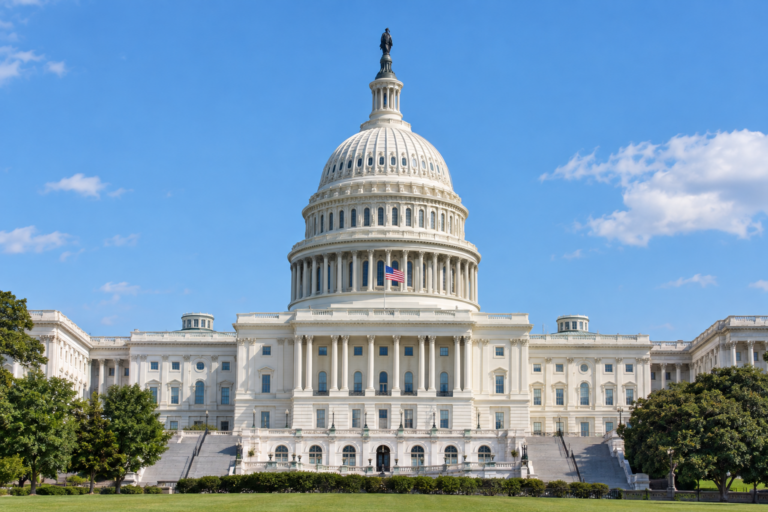
The U.S. Supreme Court has rejected a legal challenge that sought to prevent states from counting mailed ballots received after Election Day, provided they were postmarked by the deadline. This decision effectively upholds existing grace-period rules for mail-in voting in more than half of the states and the District of Columbia, a framework that will remain in place as the nation approaches the 2026 midterm elections.
The ruling addresses a contentious issue in election administration, particularly concerning the timeline for ballot verification and tabulation. Republican-led challenges had argued that ballots arriving after Election Day should not be counted, regardless of their postmark date. The Supreme Court’s decision, however, sides with the states that have implemented these extended deadlines, aiming to ensure that all eligible votes cast on time are considered.
Independent analyses of the ruling indicate that it will preserve the status quo for election procedures in numerous states. These grace periods are often seen as a measure to accommodate potential delays in postal delivery, ensuring that voters who mail their ballots in a timely manner are not disenfranchised due to external factors beyond their control. The implications of this decision are significant for election officials across the country, who must continue to administer voting processes under these established rules.
The court’s decision does not mandate that all states adopt such grace periods, but it prevents federal courts from overturning state laws that have chosen to do so. This allows for continued variation in election laws across the country, with states free to set their own specific rules regarding the receipt and counting of mailed ballots, as long as they comply with the Supreme Court’s interpretation of federal election law.
The legal battle highlights ongoing debates surrounding election integrity and voting access. Proponents of counting postmarked ballots that arrive late argue that it broadens access to the ballot box and accounts for the realities of mail delivery. Opponents have raised concerns about the potential for fraud or undue influence, though independent reports and election security experts have generally found such concerns to be unsubstantiated in states with these policies.
As election administrators prepare for upcoming electoral cycles, including the 2026 midterms, this ruling provides a degree of certainty regarding the handling of mailed ballots. The focus for many jurisdictions will now shift to ensuring efficient processing of these ballots within the legally permitted timelines, maintaining public confidence in the electoral system, and preparing for the logistical challenges of administering elections in a diverse regulatory environment. The decision underscores the role of the Supreme Court in resolving disputes over election administration that fall under federal jurisdiction, while leaving significant discretion to the states in how they conduct their elections.