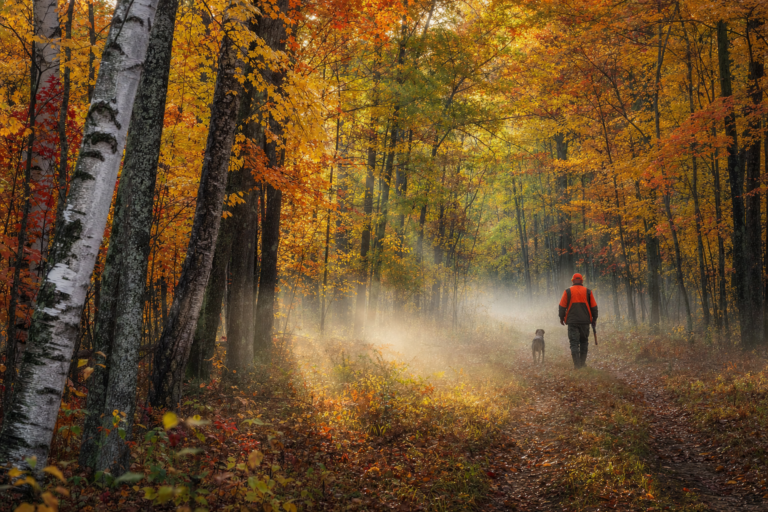
For individuals embarking on their first hunting expeditions in and around Florence, a critical phase precedes the purchase of any specialized gear: thorough preparation and confirmation of foundational requirements. Experts advise that before novice hunters commit to costly equipment, they must verify several key elements.
Foremost among these are the mandatory hunter education courses. These programs, often administered by state wildlife agencies, provide essential knowledge on firearm safety, ethical hunting practices, and wildlife management. Confirming the specific training requirements for South Carolina is a non-negotiable first step. Equally important is understanding the licensing process. Obtaining the correct hunting licenses and any necessary permits for specific game or areas is a legal prerequisite.
Beyond personal qualifications, access to hunting grounds requires careful consideration. This includes understanding regulations regarding private land access, public hunting areas, and any specific rules governing parks or wildlife management areas within Florence County or the broader Pee Dee region. Season dates and bag limits are also critical pieces of information that can dictate the type of equipment needed and the timing of hunts. These local season rules can vary significantly and impact planning.
With these prerequisites confirmed, the focus can shift to acquiring reliable, basic equipment. The emphasis should be on functionality and compliance rather than novelty. Essential items include appropriate clothing suitable for the prevailing weather conditions, which in June means preparing for summer heat and humidity. This also includes footwear that provides support and protection. A legally compliant and properly functioning weapon system, whether a rifle, shotgun, or bow, is paramount. Where required by law, the use of blaze orange clothing for visibility is a critical safety measure.
Navigation tools, such as a map and compass or a GPS device, are indispensable for safe travel in the field. A well-stocked first-aid kit, tailored to the potential risks of outdoor activity, is another vital component of a hunter’s basic loadout. These foundational items ensure safety and compliance, allowing the hunter to focus on the experience.
Beyond gear, practical field preparation is crucial. Novice hunters should dedicate time to practicing fundamental skills before the actual hunting season begins. This includes mastering safe weapon handling, understanding proper shooting stances, and developing the ability to accurately identify targets and distinguish them from non-target species or objects. Familiarity with the chosen weapon and shooting techniques under simulated field conditions can significantly enhance both safety and success.
Furthermore, planning for the successful harvest of game extends beyond the moment of the shot. Hunters must anticipate the logistical challenges that follow. This includes having a plan for retrieving downed game, understanding the process of field dressing to preserve meat quality, implementing methods for cooling the carcass to prevent spoilage, and arranging for its safe and legal transport. These considerations are integral to responsible hunting and are best addressed before the opportunity for a harvest arises.
By addressing these preparatory steps—confirming training and licensing, understanding land access and local rules, acquiring essential basic gear, and practicing field skills—new hunters in the Florence area can build a solid foundation for a safe, ethical, and rewarding hunting experience.