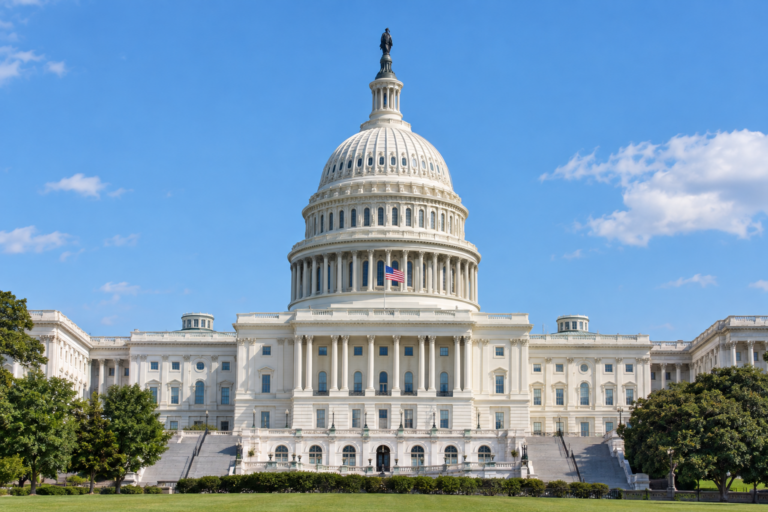
Members of Congress reconvened this week to confront a deepening debate over the Iran conflict, a dispute that encompasses its escalating financial costs, the legal basis for its continuation, and its ultimate strategic value. The Pentagon has formally requested approximately $80 billion from lawmakers, a sum largely earmarked to sustain military operations in Iran.
This financial demand arrives amid a broader, contentious discussion about the extent to which Congress has either authorized or provided meaningful oversight of the current military campaign. Senators from both major parties have voiced a clear demand for more comprehensive briefings concerning the emerging framework of the U.S.-Iran relationship and the administration’s planned next steps. The political ramifications of these discussions are significant, touching upon fundamental questions of executive versus legislative war powers, the allocation of federal appropriations, the efficacy of sanctions policy, and the administration’s accountability in any potential final agreement.
The congressional scrutiny reflects a growing unease with the open-ended nature of the conflict and its substantial financial commitment. Lawmakers are grappling with the dual challenges of ensuring national security interests are met while also upholding their constitutional responsibilities in matters of war and peace. The Pentagon’s request for substantial funding underscores the ongoing commitment of resources to the Iran theater, prompting a renewed focus on the objectives and expected duration of U.S. involvement.
Sources indicate that the debate is not solely about the immediate financial needs but also about establishing a clear understanding of the conflict’s trajectory. The administration faces pressure to articulate a coherent strategy that justifies the expenditure and aligns with stated foreign policy goals. The lack of a formal declaration of war by Congress has amplified concerns about the executive branch’s unilateral authority in deploying military forces abroad, a point of contention that has resurfaced with each significant escalation of hostilities.
Discussions on Capitol Hill are expected to delve into the specifics of the Pentagon’s operational plans, intelligence assessments regarding the adversary’s capabilities and intentions, and the potential for de-escalation or resolution. The appropriations process will serve as a critical juncture for lawmakers to exert their influence, potentially attaching conditions or demanding greater transparency in exchange for the requested funds. The interplay between foreign policy objectives, domestic fiscal responsibilities, and the constitutional balance of power is central to the ongoing deliberations.
The administration’s approach to negotiating any potential ceasefire or peace framework with Iran is also under intense examination. Lawmakers are seeking assurances that any agreement will be robust, verifiable, and serve long-term U.S. interests without compromising regional stability or emboldening adversaries. The administration’s communication strategy regarding these delicate diplomatic efforts is also a subject of scrutiny, with many in Congress calling for more open and consistent dialogue.
The convergence of these issues—war costs, war powers, and diplomatic strategy—creates a complex legislative environment. The coming weeks are likely to see continued hearings, closed-door briefings, and intense debate as Congress seeks to assert its role in shaping U.S. foreign policy and ensuring accountability for military actions abroad. The outcome of these discussions will have significant implications for the future of U.S. engagement in the region and the broader balance of power between the executive and legislative branches.