


How Can You Use Customer Psychology to Enhance Your Digital Marketing Strategy?
Understanding Customer Psychology
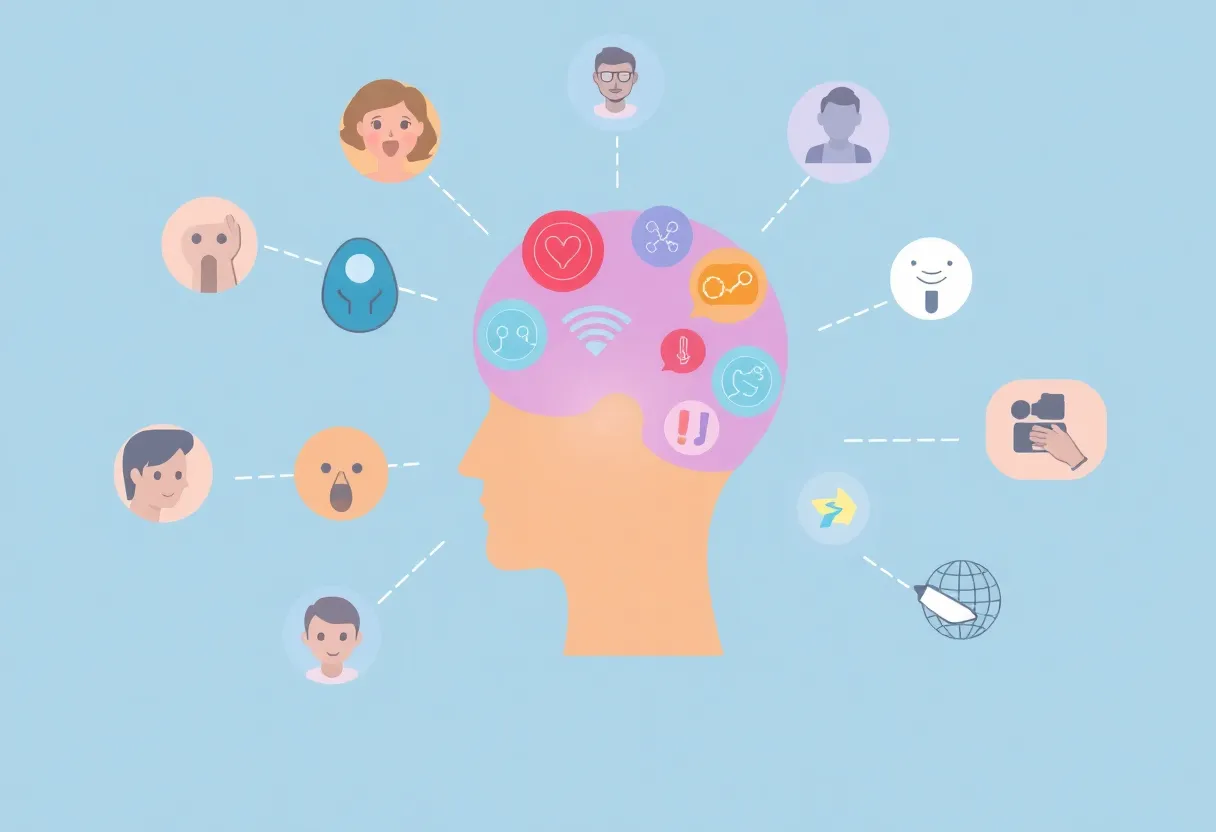
Consumer behavior is a complex interplay of various psychological factors. To effectively harness customer psychology, it is essential to understand how individuals think, feel, and make decisions. By integrating psychological principles into digital marketing strategies, businesses can maximize their impact.
Principles of Customer Psychology
The Hierarchy of Needs
According to Maslow’s Hierarchy of Needs, customers progress through a series of needs from basic to advanced. Understanding where your product fits within this hierarchy allows for more targeted marketing strategies. For example, a luxury item appeals directly to higher-order needs like esteem and self-actualization, while a basic commodity focuses on physiological needs.
Emotional Triggers
Emotion drives decision-making more than logical reasoning. Recognizing emotional triggers such as fear, happiness, and nostalgia can significantly enhance marketing efforts. For instance, an advertisement that evokes joy or nostalgia often results in stronger engagement and conversion rates.
Scarcity and Urgency
Creating a sense of scarcity or urgency can compel consumers to act quickly. Limited-time offers or exclusive access creates a fear of missing out (FOMO), driving faster decision-making. This psychological nudge encourages customers to prioritize your offerings above competitors’.
Implementing Psychological Insights in Digital Marketing
User-Centric Design
Website and interface design significantly impact user experience. By applying principles of cognitive load theory, marketers can create simpler and more intuitive interfaces. Reducing cognitive overload makes it easier for customers to navigate and ultimately complete transactions.
Color Psychology
Colors evoke specific emotions and reactions. For instance, blue often communicates trust, while red can stimulate urgency and passion. Choose color palettes that reflect your brand’s identity while resonating with your target audience.
Storytelling Techniques
Stories make brands relatable. Craft narratives that connect with consumers on a personal level. Effective storytelling not only enhances engagement but also helps create lasting emotional connections.
Social Proof as a Psychological Tool
Reviews and Testimonials
People are influenced by the opinions of others. Incorporating customer reviews and testimonials can infuse credibility into your brand. Displaying authentic feedback encourages potential customers to trust and engage with your products or services.
Influencer Collaborations
Utilizing influencers who align with your brand values leverages their social proof. Their endorsements can turn casual viewers into loyal customers, driven by the trust followers place in these figures.
Segmenting Your Audience
Understanding different customer personas allows brands to tailor their messaging and offerings. By segmenting audiences based on demographics, psychographics, and behavior, businesses can deliver more personalized marketing strategies.
Behavioral Targeting
Analyze customer data to identify behaviors that indicate intent and preferences. By leveraging this data, you can create hyper-targeted campaigns that resonate deeply with specific audience segments.
The Power of Personalization
Personalized experiences foster deeper connections. Using data analytics, marketers can personalize emails, product recommendations, and advertisements based on individual customer preferences.
Dynamic Content
Implementing dynamic content that adjusts based on user behavior enhances the relevance of your marketing strategy. Tailoring website elements to align with users’ needs significantly increases engagement rates.
Behavioral Economics in Marketing Decisions
Anchoring and Pricing Strategies
The anchoring principle suggests that initial information impacts subsequent decision-making. Presenting a higher-priced item first can make lower-priced options seem more reasonable. Strategic pricing can influence how consumers perceive value.
Decoy Effect
The decoy effect occurs when consumers change their preference between two options when a third, less attractive option is introduced. Using this technique can help steer customers towards higher-margin products.
Continuous Testing and Adaptation
Understanding customer psychology is an evolving field. Continuous A/B testing allows marketers to assess the effectiveness of psychological techniques. By experimenting with different narratives, colors, and offers, you can determine what resonates most with your audience.
Feedback Loops
Establishing channels for customer feedback is crucial. Learning from past campaigns and using that insight to refine your strategy can compound your effectiveness over time.
Conclusion
Integrating customer psychology into digital marketing strategies can significantly enhance effectiveness. By understanding emotional triggers, leveraging social proof, and personalizing experiences, businesses can create campaigns that connect meaningfully with their audiences. In an ever-competitive landscape, applying these psychological principles may be the key to achieving success.